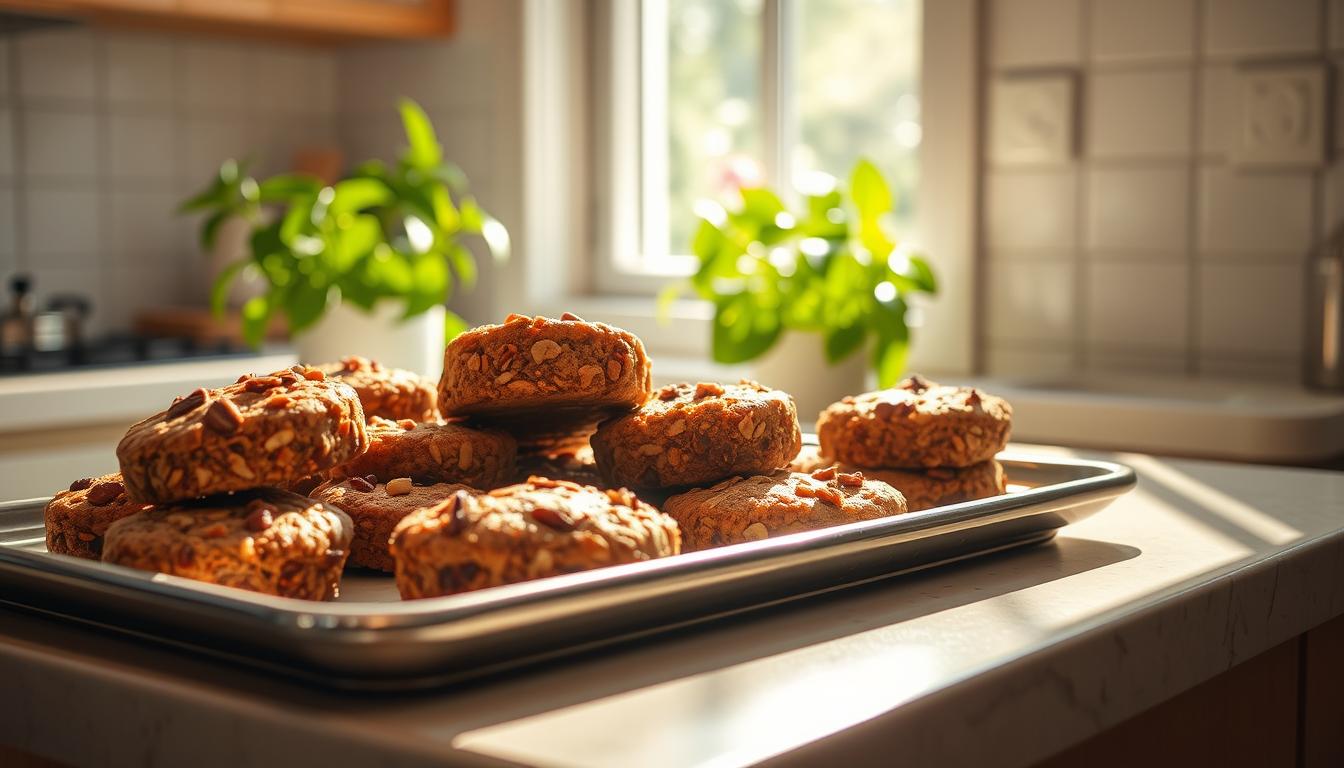
Starting your day with a delicious and healthy breakfast is easier than you think. Imagine sinking your teeth into a moist and flavorful breakfast cake, knowing it’s made with wholesome ingredients and natural sweeteners. This is the joy of baking with alternatives to refined sugar.
Baking sugar-free morning cakes doesn’t mean sacrificing taste. With the right ingredients and a bit of creativity, you can create breakfast treats that are not only healthier but also incredibly tasty. The key lies in choosing the right natural sweeteners and understanding how they affect the texture and flavor of your cakes.
Key Takeaways
- Using natural sweeteners can significantly reduce the health risks associated with refined sugar.
- Baking sugar-free doesn’t mean compromising on taste or texture.
- Experimenting with different natural sweeteners can lead to discovering new flavors.
- Healthy breakfast cakes can be a great way to start your day on a nutritious note.
- Understanding the role of ingredients is crucial in sugar-free baking.
Why Choose Sugar-Free Morning Cakes?
Enjoying a sugar-free morning cake can be a great start to a healthier lifestyle. Choosing to reduce sugar intake is a significant step towards a healthier diet, and morning cakes are no exception.
Benefits of Reducing Sugar in Your Diet
Reducing sugar in your diet can have numerous health benefits. Some of the key advantages include lower risk of obesity and diabetes, improved dental health, and reduced risk of heart disease.
| Health Aspect | High Sugar Diet | Low Sugar Diet |
|---|---|---|
| Obesity Risk | High | Low |
| Dental Health | Poor | Good |
| Heart Disease Risk | High | Low |
Sweetener Alternatives to Refined Sugar
For those looking to reduce refined sugar, there are several alternatives available. Some popular options include honey, a natural sweetener with antimicrobial properties, stevia, a low-calorie sweetener derived from the Stevia rebaudiana plant, and erythritol, a sugar substitute that doesn’t raise blood sugar levels.
Key Ingredients for Delicious Morning Cakes
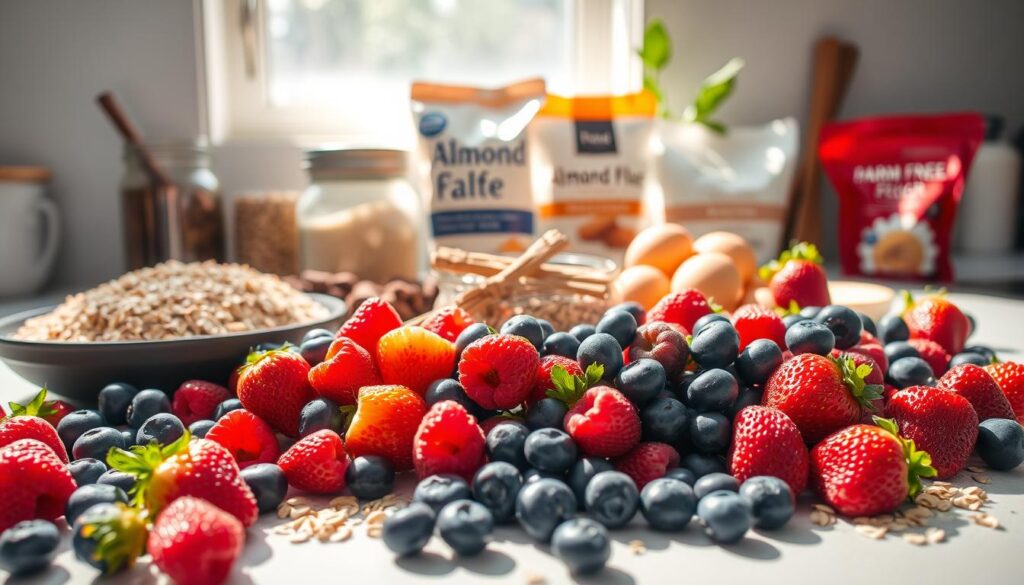
The secret to making mouth-watering morning cakes without refined sugar is in the selection of wholesome ingredients. Choosing the right components not only enhances the flavor but also boosts the nutritional value of your cakes.
Whole Grains: A Healthier Base
Using whole grains as a base for your morning cakes is a great way to incorporate fiber, vitamins, and minerals. Unlike refined flours, whole grains provide a more satisfying texture and a nuttier flavor, making your cakes more enjoyable and healthier.
Some popular whole grains to consider include oats, quinoa, and whole wheat. These grains are rich in nutrients and can be used alone or in combination to create a delicious and healthy cake.
Adding Fruits for Natural Sweetness
Fruits are an excellent way to add natural sweetness to your morning cakes. They not only reduce the need for refined sugars but also add moisture, texture, and a burst of flavor.
Popular fruits to use include bananas, apples, and berries. These fruits are not only delicious but also packed with vitamins, antioxidants, and fiber, enhancing the nutritional profile of your cakes.
The Role of Healthy Fats
Healthy fats play a crucial role in baking sugar-free morning cakes. They add moisture, tenderness, and flavor, making your cakes more enjoyable.
Some healthy fats to consider are avocado, nuts, and seeds. These ingredients are rich in healthy fats and can be used in various forms, such as oils, butters, or as is, to enhance the texture and taste of your cakes.
| Ingredient | Nutritional Benefit | Usage in Cakes |
|---|---|---|
| Whole Wheat | High in Fiber | Use as a primary flour |
| Bananas | Rich in Potassium | Mash and add for moisture and sweetness |
| Almonds | Good Source of Healthy Fats | Use as a topping or blend into flour |
Popular Sugar Alternatives to Use
For those looking to reduce their sugar intake, there are numerous alternatives that can satisfy your sweet tooth without compromising on taste. Baking sugar-free cakes doesn’t mean you have to sacrifice flavor; it means being creative with the ingredients you choose.
Exploring Honey and Maple Syrup
Honey and maple syrup are natural sweeteners that not only add sweetness but also depth to your cakes. Honey brings a distinct flavor and can be used in low-carb desserts. However, it’s still high in calories and should be used in moderation. Maple syrup, derived from maple trees, is another excellent choice, offering a rich, unique flavor.
The Sweetness of Stevia and Erythritol
Stevia is a sweetener derived from the Stevia rebaudiana plant. It’s calorie-free and doesn’t raise blood sugar levels, making it a popular choice for diabetic-friendly pastries. Erythritol, a sugar substitute, has a sugar-like taste but contains almost no calories and doesn’t affect blood sugar.
Other Alternatives: Applesauce and Banana
Using applesauce or mashed banana in your cake recipes can add natural sweetness and moisture. These ingredients are particularly useful in low-carb desserts, as they reduce the need for added sugars while enhancing the cake’s texture.
| Sugar Alternative | Calories | Glycemic Index | Taste |
|---|---|---|---|
| Honey | 64 per tbsp | 55-60 | Distinct, floral |
| Maple Syrup | 64 per tbsp | 54 | Rich, earthy |
| Stevia | 0 | 0 | Sweet, licorice-like |
| Erythritol | 0.2 per gram | 0 | Sugar-like |
| Applesauce | 47 per 100g | 35-40 | Fruity, moist |
| Banana | 105 per medium | 42-51 | Fruity, sweet |
Choosing the right sugar alternative depends on your dietary needs and the flavor profile you’re aiming for. Experimenting with these options can help you create delicious, sugar-free cakes that are perfect for any occasion.
Tips for Baking Sugar-Free Cakes

The key to successful sugar-free baking lies in understanding how to substitute sugar effectively. When transitioning to sugar-free morning cakes, it’s essential to consider the role of sugar in traditional recipes and how natural sweeteners can replace it.
Adjusting Recipes for Sugar Substitutes
Different sugar substitutes have varying levels of sweetness. For instance, stevia is much sweeter than sugar, so only a small amount is needed. On the other hand, honey and maple syrup, while natural, still contain sugars and should be used sparingly. It’s crucial to adjust the quantity based on the sweetener’s sweetness level and your personal taste preference.
When substituting sugar, consider the liquid content of the sweetener. For example, using applesauce or mashed banana not only adds sweetness but also moisture, which can affect the overall liquid content in the recipe. Balancing the wet and dry ingredients is vital for achieving the right texture.
The Importance of Moisture in Sugar-Free Baking
Sugar plays a role in retaining moisture in baked goods. Without it, cakes can become dry. To combat this, ingredients like yogurt, almond milk, or extra eggs can be added to enhance moisture. Using a combination of natural sweeteners and moisture-rich ingredients can help maintain the cake’s texture and flavor.
Another tip is to not overmix the batter, as this can lead to a dense cake. Gentle folding of ingredients and not overbaking are crucial steps in preserving the moisture and tenderness of sugar-free cakes.
Flavor Enhancements to Consider
The art of sugar-free baking is not just about substituting sugar, but also about enhancing flavors to create truly delicious treats. When it comes to making your diabetic-friendly pastries and low-carb desserts stand out, the right flavor enhancements can make all the difference.
Using Spices for Added Depth
Spices can add a new dimension to your baked goods. For instance, cinnamon and nutmeg are classic choices that pair well with the natural sweetness found in fruits like apples and bananas. Cinnamon not only adds warmth but also complements the flavors of other ingredients, making it a staple in many sugar-free recipes.
Incorporating Nuts and Seeds
Nuts and seeds are another excellent way to enhance the flavor and texture of your sugar-free cakes. They provide a satisfying crunch and can be used to add depth to your baked goods. Almonds and walnuts are popular choices, offering a rich, nutty flavor that complements a variety of cake flavors.
To incorporate nuts and seeds effectively, consider toasting them lightly before adding them to your batter. This process enhances their natural flavors, making them an even more integral part of your cake’s overall taste profile.
By incorporating these flavor enhancements, you can create sugar-free cakes that are not only healthier but also packed with flavor. Whether you’re using spices to add depth or nuts and seeds for texture, the possibilities are endless for creating delicious diabetic-friendly pastries and low-carb desserts.
Breakfast Cake Recipes You’ll Love
Discover the joy of sugar-free morning cakes, crafted with natural sweeteners and wholesome ingredients. These delicious treats are perfect for starting your day on a healthy note.
Here are some mouth-watering recipes to try:
- Banana Oatmeal Morning Cake: A hearty and filling cake made with ripe bananas and oatmeal.
- Almond Flour Blueberry Cake: A moist and flavorful cake using almond flour and fresh blueberries.
- Zucchini Chocolate Chip Muffins: A healthy twist on traditional muffins, incorporating zucchini for added moisture and dark chocolate chips for a sweet treat.
Banana Oatmeal Morning Cake
This cake is a perfect blend of natural sweetness from bananas and the warmth of oatmeal. To make it, you’ll need:
- 3 ripe bananas
- 1 cup of oatmeal
- 1/2 cup almond milk
- 1 egg
- 1/4 cup honey or natural sweetener
Mix all the ingredients together and bake in a preheated oven at 350°F for about 25-30 minutes, or until a toothpick comes out clean.
Almond Flour Blueberry Cake
For a cake that’s both gluten-free and delicious, try using almond flour. The blueberries add a burst of natural sweetness and flavor.
Ingredients include:
- 2 cups almond flour
- 1 cup fresh or frozen blueberries
- 1/2 cup coconut sugar
- 3 large eggs
- 1/4 cup melted coconut oil
Combine the ingredients and bake in a greased cake pan at 325°F for about 35-40 minutes.
Zucchini Chocolate Chip Muffins
These muffins are a great way to sneak in some extra veggies. The zucchini adds moisture, while the dark chocolate chips provide a sweet indulgence.
To make these muffins, you’ll need:
- 1 cup grated zucchini
- 1 1/2 cups almond flour
- 1/2 cup coconut sugar
- 1/4 cup dark chocolate chips
- 2 large eggs
Mix the ingredients together and bake in a muffin tin at 350°F for about 20-25 minutes.
Customizing Your Sugar-Free Recipes
Elevate your sugar-free baking by tailoring recipes to your dietary needs. Customization not only enhances the flavor but also boosts the nutritional value of your breakfast cakes.
One effective way to customize your sugar-free recipes is by adding protein to make your breakfast more filling. Incorporating protein-rich ingredients can transform your cakes into a satisfying meal that keeps you energized throughout the morning.
Adding Protein for a Filling Start
Adding protein to your sugar-free breakfast cakes can be achieved in several ways. You can use protein powder, nuts, or seeds to increase the protein content. For instance, almond flour not only adds a nutty flavor but also contributes to a higher protein content, making your cakes more filling.
Some excellent protein-rich ingredients to consider include:
- Greek yogurt
- Nut butters like peanut butter or almond butter
- Egg whites
- Protein powder (whey or plant-based)
These ingredients can be mixed into your batter to create low-carb desserts that are both satisfying and healthy.
Mix and Match Ingredients
Another way to customize your sugar-free recipes is by mixing and matching different ingredients. This approach allows you to experiment with various flavors and textures, ensuring that your breakfast cakes never become boring.
For example, you can combine different types of flour like almond flour and coconut flour to achieve the right texture. Adding fruits like berries or bananas can introduce natural sweetness, making your cakes diabetic-friendly pastries that are enjoyable for everyone.
Some tips for mixing and matching include:
- Experiment with different spices like cinnamon or nutmeg to add depth to your cakes.
- Try various types of milk or yogurt to adjust the moisture content.
- Incorporate nuts or seeds for added crunch and nutrition.
By customizing your sugar-free recipes, you can enjoy a variety of delicious and healthy breakfast options that cater to your dietary preferences and needs.
Baking Techniques for Success
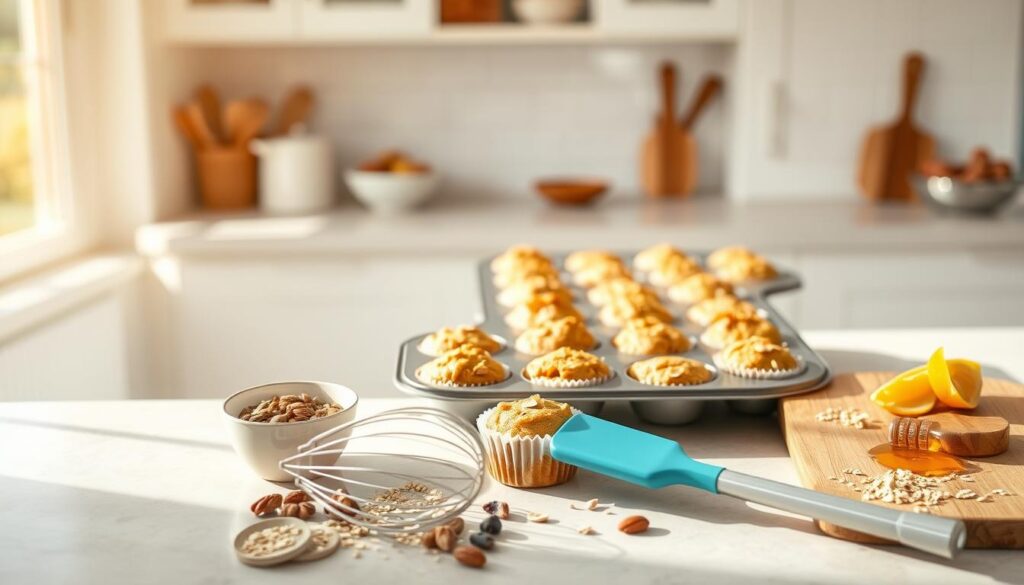
Mastering the art of baking sugar-free morning cakes involves more than just substituting sugar; it requires the right techniques. To achieve success, it’s essential to focus on the fundamentals of baking, including measuring ingredients accurately and understanding the right baking temperature and time.
Measuring Ingredients Accurately
Measuring ingredients is a critical step in baking. Unlike cooking, where you can often adjust seasoning to taste, baking requires precision. Inaccurate measurements can lead to disappointing results, such as cakes that are too dense or too dry.
To measure ingredients accurately, use a digital kitchen scale. This tool allows you to measure both dry and liquid ingredients with precision. For dry ingredients like flour, ensure you spoon it into the measuring cup and level it off without packing it down.
| Ingredient | Measuring Tip | Common Mistake |
|---|---|---|
| Flour | Spoon into measuring cup and level off | Packing flour into the cup |
| Sugar Alternatives | Follow the conversion chart for the specific sweetener | Using the wrong conversion ratio |
| Liquids | Use a liquid measuring cup on a flat surface | Measuring at an angle |
The Right Baking Temperature and Time
Baking temperature and time are crucial for the success of your sugar-free morning cakes. Incorrect oven temperature can affect the texture and structure of your cakes. Invest in an oven thermometer to ensure your oven is at the right temperature.
Baking time can vary depending on your oven and the size of your cakes. Keep an eye on your cakes as they bake, and use the toothpick test to check for doneness. A toothpick inserted into the center of a cake should come out clean or with a few moist crumbs.
Serving Suggestions for Sugar-Free Cakes
Serving sugar-free cakes can be just as exciting as baking them, with numerous options to enhance their flavor and texture. Whether you’re enjoying a diabetic-friendly pastry or a low-carb dessert, the right accompaniments can elevate your treat to a whole new level.
One of the simplest ways to enjoy your sugar-free cake is by pairing it with complementary foods that enhance its flavor without adding refined sugar.
Pairing with Yogurt or Nut Butter
Pairing your sugar-free cake with yogurt or nut butter is a great way to add protein and creaminess. For instance, a banana oatmeal morning cake pairs beautifully with a dollop of almond butter or a side of Greek yogurt. The tanginess of the yogurt or the richness of the nut butter complements the cake’s flavors, creating a satisfying and filling breakfast or snack.
Some popular pairing suggestions include:
- Almond flour blueberry cake with a side of vanilla yogurt
- Zucchini chocolate chip muffins with a dollop of peanut butter
- Cinnamon-spiced cake with a serving of coconut yogurt
Experimenting with different combinations can help you find your new favorite way to enjoy sugar-free cakes.
Perfect Drinks to Accompany Your Cake
The right drink can complement the flavors of your sugar-free cake and add to the overall enjoyment. Here are some popular drink options that pair well with sugar-free cakes:
| Drink | Sugar-Free Cake Pairing |
|---|---|
| Coffee | Almond flour cakes or cinnamon-spiced cakes |
| Tea (Herbal or Green) | Fruit-infused cakes like lemon or berry |
| Low-fat milk or almond milk | Chocolate cakes or muffins |
As Dr. Sarah Berry, a nutrition expert, once said,
“The key to enjoying sugar-free baked goods is to focus on the quality of the ingredients and the balance of flavors.”
This approach not only makes your sugar-free cakes delicious but also ensures they are a healthy alternative to traditional baked goods.
Storing Your Cakes for Freshness
After baking sugar-free morning cakes with natural sweeteners, the next step is to store them properly to maintain their freshness. Proper storage not only keeps the cakes fresh but also preserves their texture and flavor.
Best Practices for Refrigeration
To keep your sugar-free cakes fresh, it’s essential to store them in the refrigerator correctly. Here are some tips:
- Cool the cake completely before storing it in an airtight container.
- Wrap the cake tightly in plastic wrap or aluminum foil to prevent drying out.
- Store the cake in the refrigerator at a consistent temperature below 40°F (4°C).
Freezing Sugar-Free Cakes: Tips and Tricks
Freezing is an excellent way to extend the shelf life of your sugar-free cakes. Here are some tips for freezing:
- Wrap the cooled cake tightly in plastic wrap or aluminum foil.
- Place the wrapped cake in a freezer-safe bag or container to prevent freezer burn.
- Label the bag or container with the date and contents.
- When you’re ready to eat the cake, simply thaw it at room temperature or refrigerate it overnight.
In addition to refrigeration and freezing, here are some general tips for maintaining cake freshness:
- Keep cakes away from strong-smelling foods, as they can absorb odors easily.
- If you’re not consuming the cake immediately, consider slicing it and storing individual portions.
By following these storage tips, you can enjoy your sugar-free morning cakes over a longer period while maintaining their quality and freshness.
Creative Ways to Enjoy Leftover Cake
Leftover cake can be a treasure trove of creativity in the kitchen. Instead of throwing away your delicious sugar-free cake, consider transforming it into new and exciting desserts.
Transforming Cake into Smoothies
One of the simplest ways to repurpose leftover cake is by blending it into a smoothie. This not only reduces waste but also creates a delicious and healthy drink. To make a cake smoothie, crumble the leftover cake into a blender, add your choice of milk or yogurt, and blend until smooth. You can also add fruits, nuts, or seeds to enhance the flavor and nutritional value.
For a low-carb dessert, consider using almond milk and adding a handful of spinach for a green smoothie that’s packed with nutrients. Alternatively, blend the cake with frozen berries and a scoop of protein powder for a post-workout treat that’s both diabetic-friendly and satisfying.
Cake Crumble Toppings for Parfaits
Another creative way to enjoy leftover cake is by using it as a topping for parfaits. Simply crumble the cake into small pieces and layer it with yogurt, fresh fruits, and nuts in a glass or bowl. This creates a visually appealing dessert that’s perfect for special occasions or a quick snack.
| Parfait Layer | Suggested Ingredients | Benefits |
|---|---|---|
| Cake Crumble | Leftover sugar-free cake | Low-carb, diabetic-friendly |
| Fruit Layer | Fresh berries, sliced bananas | Rich in fiber and antioxidants |
| Yogurt Layer | Greek yogurt, almond yogurt | High in protein, supports digestive health |
| Nut Layer | Almonds, walnuts | Crunchy texture, rich in healthy fats |
By getting creative with leftover sugar-free cake, you can enjoy new desserts while minimizing waste. Whether you blend it into a smoothie or use it as a topping for a parfait, there are countless ways to repurpose your delicious cake.
Conclusion: Enjoying Sweetness Without Sugar
Embracing sugar-free morning cakes is a step towards a healthier lifestyle, allowing you to indulge in sweet treats without the guilt. By incorporating natural sweeteners and wholesome ingredients, you can create delicious and nutritious breakfast cakes that not only satisfy your sweet tooth but also support your overall well-being.
Using sugar-free morning cakes as part of your breakfast routine can be a great way to start your day on a healthy note. With the variety of natural sweeteners available, such as honey, stevia, and erythritol, you can experiment with different flavors and find what works best for you. By making a few simple changes to your baking habits, you can enjoy the sweetness you crave without compromising your dietary goals.
Making Healthy Choices
By choosing sugar-free cakes, you’re not only reducing your sugar intake but also opening yourself up to a world of new flavors and ingredients. This shift towards healthier baking can have a positive impact on your overall health, from improving your energy levels to supporting your weight management goals. So go ahead, get baking, and enjoy the sweetness of a healthier lifestyle with your favorite sugar-free morning cakes and natural sweeteners.