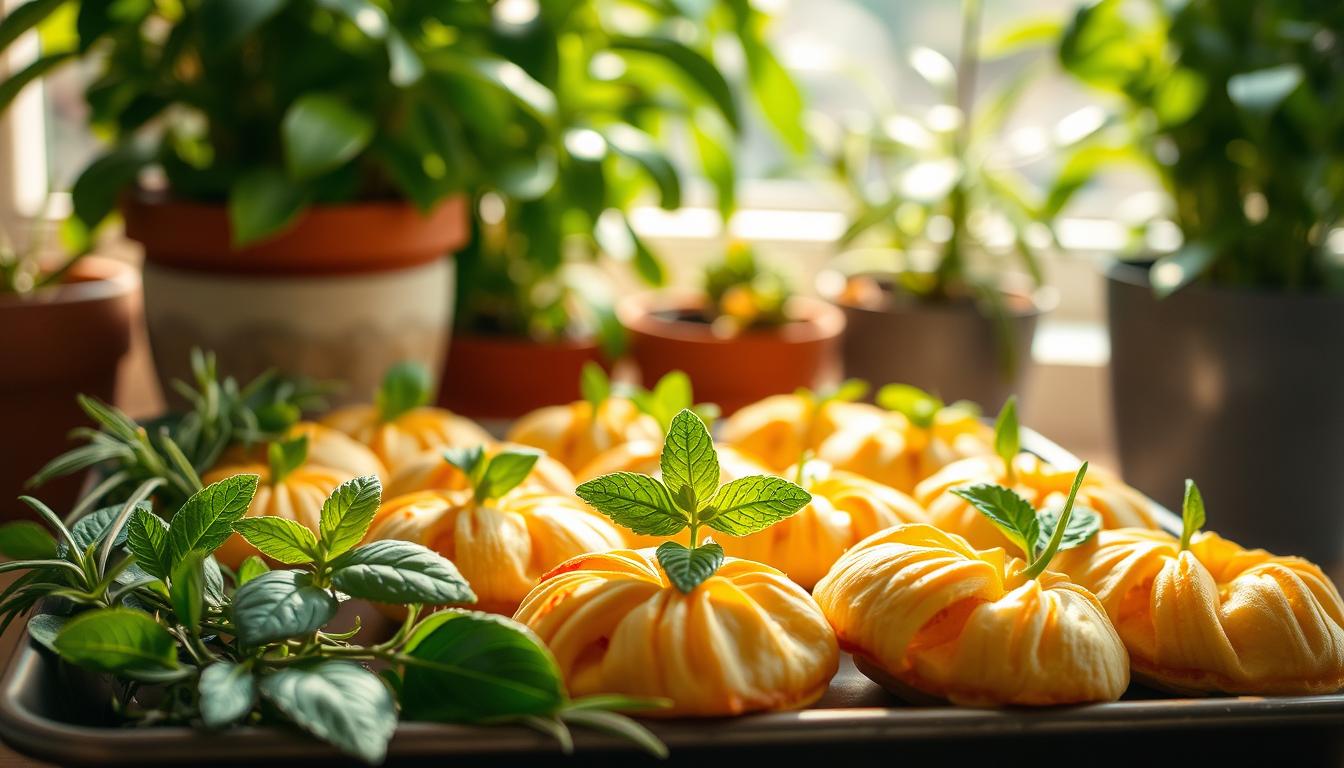
Starting your day with a delicious and healthy meal is essential, and what better way to do that than with botanical sweets that not only tantalize your taste buds but also boost your mental clarity?
Incorporating herbs like mint, basil, and rosemary into your morning routine can have a significant impact on your day. These herbs are known for their cognitive benefits, and when infused into herbal breakfast pastries, they offer a unique and healthy start.
By exploring the world of herbal infusions in baking, you can elevate your morning routine with creative and tasty treats that are both nourishing and delightful.
Key Takeaways
- Discover how herbs like mint and rosemary can enhance mental clarity.
- Learn inspired recipes for unique breakfast treats.
- Understand the benefits of incorporating botanicals into your baking.
- Get tips on crafting the perfect dough for your pastries.
- Explore the cognitive benefits of herbal infusions in breakfast pastries.
The Benefits of Herbal Ingredients in Breakfast Pastries
By integrating herbs like mint, basil, and rosemary into your morning baked goods, you can experience a delightful combination of flavor and functionality. Herbal ingredients can add a new dimension to your breakfast pastries, not just in terms of flavor but also in terms of their cognitive benefits.
Understanding the Role of Mint, Basil, and Rosemary
Mint is known for its refreshing properties and ability to improve focus. Incorporating mint into your breakfast pastries can help kick-start your day with a mental boost. Mint chocolate chip danish or mint-infused croissants are delicious ways to enjoy this benefit.
Basil, on the other hand, is recognized for its stress-reducing properties. Adding basil to your morning pastries can help create a calming start to your day. Consider making basil and tomato tart or basil-pistachio morning rolls for a savory twist.
Rosemary is celebrated for its memory-enhancing properties. Incorporating rosemary into your breakfast baking can result in pastries that not only taste great but also support cognitive function. Try making rosemary and lemon scones or cheesy rosemary biscuits for a flavorful breakfast.
Why Mental Clarity Matters in the Morning
Starting your day with mental clarity can significantly impact your productivity and overall well-being. Herbal ingredients like mint, basil, and rosemary can help achieve this clarity by enhancing focus, reducing stress, and boosting memory. By incorporating these herbs into your breakfast pastries, you can create a morning routine that supports both your physical and mental health.
Combining Flavor with Functionality
The key to successfully integrating herbal ingredients into your breakfast pastries is balancing flavor with functionality. Experiment with different herbs and flavor combinations to find what works best for you. Whether you’re making sweet treats like mint chocolate chip danish or savory delights like basil and tomato tart, the possibilities are endless.
By understanding the benefits of herbal ingredients and how to incorporate them into your baking, you can elevate your breakfast pastries to a new level of deliciousness and nutritional value.
Inspired Pastry Recipes Featuring Mint

Mint’s cooling flavor profile makes it a perfect candidate for crafting unique herbal breakfast pastries. This versatile herb pairs well with both sweet and savory ingredients, offering a refreshing twist on traditional breakfast treats.
Let’s dive into three inspired recipes that showcase mint’s unique flavor and benefits. From classic pastries with a minty twist to innovative combinations, these recipes will inspire you to get creative with mint in your baking.
Flaky Mint Croissants
Creating flaky mint croissants involves incorporating fresh mint leaves into the dough to infuse a refreshing flavor into these buttery pastries. The process requires laminating the dough to achieve the signature flaky texture.
“The art of making croissants lies in the lamination process, which requires patience and precision.” –
To make flaky mint croissants, you’ll need ingredients like fresh mint, high-quality butter, and a precise lamination technique. Here’s a simplified breakdown of the steps involved:
- Prepare the dough with fresh mint leaves
- Laminate the dough with butter
- Roll and cut the croissants
- Proof and bake to golden perfection
Mint Chocolate Chip Danish
The combination of mint and chocolate is a classic for a reason. In a mint chocolate chip Danish, the cooling effect of mint complements the richness of chocolate, creating a delightful flavor contrast.
Here’s a comparison of different types of chocolate that can be used in mint chocolate chip Danish:
| Chocolate Type | Flavor Profile | Pairing with Mint |
|---|---|---|
| Dark Chocolate | Rich, bold | Excellent contrast with mint |
| Milk Chocolate | Sweet, creamy | Good balance with mint |
| White Chocolate | Sweet, vanilla-like | Complements mint well |
Mint and Feta Hand Pies
For a savory take on mint-infused pastries, mint and feta hand pies offer a unique flavor combination. The tanginess of feta pairs surprisingly well with the freshness of mint.
These hand pies are perfect for a breakfast on-the-go or as a snack. The addition of mint to the filling adds a refreshing twist to the traditional feta filling.
Elevating Breakfast with Basil-Infused Pastries
The slightly sweet and aromatic flavor of basil makes it an ideal ingredient for creative baked goods. By incorporating basil into your breakfast pastries, you can add a delightful twist to traditional recipes and enhance your morning routine.
Basil’s versatility allows it to complement both sweet and savory flavors, making it a perfect addition to a variety of breakfast pastries. From sweet treats like basil-pistachio morning rolls to savory delights such as a basil and tomato tart, the possibilities are endless.
Savory Basil and Tomato Tart
A savory basil and tomato tart is a perfect example of how basil can elevate a breakfast pastry. The combination of fresh basil, juicy tomatoes, and a flaky crust creates a delicious and satisfying breakfast or brunch option.
To make this tart, you’ll need ingredients like puff pastry, fresh tomatoes, basil leaves, garlic, and mozzarella cheese. The key is to balance the flavors so that the basil complements the sweetness of the tomatoes without overpowering them.
Basil-Pistachio Morning Rolls
For a sweeter take on basil-infused pastries, consider making basil-pistachio morning rolls. The combination of basil’s aromatic flavor with the nutty taste of pistachios creates a unique and delicious breakfast treat.
These morning rolls are not only flavorful but also visually appealing, making them perfect for a special occasion or a weekend brunch. The process involves incorporating fresh basil into the dough and topping the rolls with a pistachio streusel for added crunch and flavor.
| Recipe | Key Ingredients | Preparation Time |
|---|---|---|
| Savory Basil and Tomato Tart | Puff pastry, tomatoes, basil, garlic, mozzarella | 45 minutes |
| Basil-Pistachio Morning Rolls | Dough, fresh basil, pistachios, streusel topping | 1 hour 15 minutes |
Rosemary: The Secret Ingredient for Breakfast Pastries
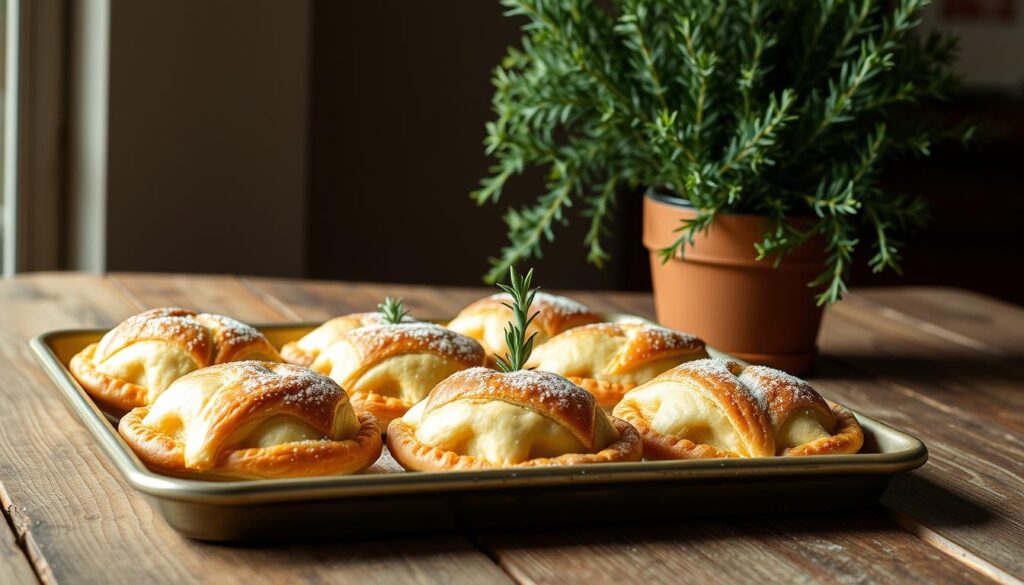
Rosemary, a herb commonly associated with savory dishes, surprisingly elevates breakfast pastries to a new level of flavor and aroma. Its piney essence can complement a variety of sweet and savory ingredients, making it a versatile addition to breakfast treats.
By incorporating rosemary into your herbal breakfast pastries, you can create unique and aromatic delights that not only tantalize the taste buds but also offer a refreshing twist on traditional breakfast flavors. The key is balancing rosemary’s distinct flavor with complementary ingredients.
Rosemary and Lemon Scones
One delightful way to use rosemary in breakfast pastries is by combining it with lemon in scones. The citrusy brightness of lemon perfectly balances the earthiness of rosemary, creating a refreshing and invigorating flavor profile.
- Mix chopped rosemary into your scone dough for an herby twist.
- Add lemon zest to enhance the citrus flavor.
- Serve with a lemon glaze for an extra burst of citrus.
Cheesy Rosemary Biscuits
For a savory take, cheesy rosemary biscuits are an excellent option. The richness of cheese pairs well with the piney flavor of rosemary, making these biscuits perfect for accompanying your morning coffee or tea.
- Incorporate chopped rosemary into your biscuit dough.
- Add grated cheese for a rich, savory flavor.
- Bake until golden for a crispy exterior and fluffy interior.
Sweet Rosemary Breakfast Loaf
A sweet rosemary breakfast loaf is another innovative way to enjoy rosemary in the morning. The subtle pine flavor of rosemary complements the sweetness of the loaf, creating a delightful harmony of flavors.
To make, simply infuse your loaf dough with rosemary leaves or rosemary extract, and balance the flavors with appropriate sweeteners like honey or sugar. This results in a botanical sweet treat that’s both unique and delicious.
Experimenting with rosemary in your breakfast pastries can lead to the discovery of new favorite flavors. Whether you’re making scones, biscuits, or a breakfast loaf, rosemary’s versatility makes it a valuable addition to your herbal breakfast pastries repertoire.
Crafting the Perfect Dough for Herbal Pastries
When it comes to creating creative baked goods, the dough is where it all begins, and getting it right is crucial for herbal pastries. The right dough can elevate the flavors of morning herbs and create a truly memorable breakfast experience. As we explore the art of crafting dough for herbal pastries, we’ll delve into the key factors that make a difference.
Choosing the Right Flour
The type of flour used can significantly impact the texture and flavor of your herbal pastries. For a lighter, flakier texture, consider using all-purpose flour or a combination of all-purpose and pastry flour. For a denser, chewier texture, bread flour can be a good option. The key is to experiment and find the flour that works best with your chosen herbs.
As
“The quality of the flour is paramount; it is the foundation upon which the entire pastry is built.”
Choosing a high-quality flour will ensure that your pastries have the best possible flavor and texture.
Tips for Flaky vs. Chewy Texture
Achieving the perfect texture is a matter of personal preference. For flaky pastries, keep your butter cold and your dough well-layered. This will help create the layers that puff up during baking, giving your pastries a light, airy texture. For chewier pastries, use a higher ratio of sugar to flour and don’t overwork the dough.
- For flaky texture: Keep butter cold, layer dough well.
- For chewy texture: Use more sugar, avoid overworking dough.
Incorporating Herbs into the Dough
Incorporating morning herbs into the dough is where the magic happens. Whether you’re using mint, basil, or rosemary, the key is to balance the herb’s flavor with the other ingredients. Start with a small amount of chopped fresh herbs and adjust to taste. You can also infuse the herbs into the butter or oil used in the dough for added depth of flavor.
As you experiment with different herbs and dough combinations, you’ll find the perfect blend to create creative baked goods that are both delicious and visually appealing.
Snack-On-The-Go: Portable Herbal Pastries

Herbal breakfast pastries offer a convenient and healthy way to start your day, even on the most hectic mornings. In a world where time is of the essence, having a quick, nutritious, and delicious breakfast option is invaluable. These portable treats are not only packed with the goodness of herbs but also provide a boost to keep you energized throughout the morning.
The beauty of these pastries lies in their versatility and ease of preparation. Whether you’re heading out the door or need a quick pick-me-up at the office, these herbal pastries are the perfect companion. Let’s dive into three delightful recipes that showcase the potential of herbs in portable breakfast treats.
Mini Herbal Quiches
Mini herbal quiches are a fantastic example of how herbs can elevate a classic breakfast dish. By incorporating fresh herbs like parsley, chives, or dill into the quiche filling, you add a burst of flavor and a touch of elegance. These bite-sized quiches are perfect for grabbing on the go.
Key Ingredients: Eggs, fresh herbs (parsley, chives, dill), cheese, and puff pastry.
Basil and Spinach Breakfast Muffins
Basil and spinach breakfast muffins combine the nutritional benefits of spinach with the aromatic flavor of basil, all wrapped up in a convenient muffin form. These muffins are not only delicious but also packed with nutrients to start your day right.
Benefits: High in fiber, vitamins, and antioxidants.
Rosemary and Cheese Puffs
Rosemary and cheese puffs are a savory delight, perfect for those who enjoy a stronger herbal flavor. The piney taste of rosemary pairs beautifully with the richness of cheese, making these puffs irresistible.
Preparation Tip: Ensure the rosemary is finely chopped to distribute the flavor evenly.
Here’s a comparison of the nutritional benefits of these three herbal pastry recipes:
| Recipe | Calories | Protein | Fat |
|---|---|---|---|
| Mini Herbal Quiches | 250 | 10g | 15g |
| Basil and Spinach Breakfast Muffins | 300 | 8g | 10g |
| Rosemary and Cheese Puffs | 320 | 12g | 20g |
As the famous chef, Alice Waters, once said, “The best cooking is always about the simplest, freshest ingredients.” These herbal pastries embody that principle, using fresh herbs to create delicious and healthy breakfast options.
“The best cooking is always about the simplest, freshest ingredients.”
Pairings and Accents for Herbal Pastries
Elevate your breakfast experience by pairing your herbal pastries with the perfect accompaniments. The right combinations can enhance the flavors and aromas of your creative baked goods, making your morning even more delightful.
When it comes to pairing herbal pastries, there are several options to consider. One of the most complementary pairings is with herbal teas and infusions. These beverages can either match or contrast with the herbal flavors in your pastries, creating a harmonious breakfast experience.
Herbal Teas and Infusions
Herbal teas such as peppermint, chamomile, and lemon balm can complement the flavors of your herbal pastries. For instance, a mint-infused pastry pairs well with a soothing chamomile tea, while a rosemary pastry is nicely complemented by a lemon balm infusion.
| Herbal Pastry | Recommended Herbal Tea |
|---|---|
| Mint Chocolate Chip Danish | Peppermint Tea |
| Rosemary and Lemon Scones | Lemon Balm Infusion |
| Basil and Tomato Tart | Chamomile Tea |
Spreads that Complement Herbal Flavors
In addition to herbal teas, various spreads can complement the flavors of your herbal pastries. For example, a lightly sweetened almond butter or a tangy lemon curd can enhance the herbal notes in your pastries.
- Mint pastries pair well with chocolate or lemon curd.
- Basil-infused pastries are complemented by creamy almond butter or olive tapenade.
- Rosemary pastries are nicely paired with a honey or fig jam.
Fresh Fruit Additions
Adding fresh fruits to your herbal pastries can introduce natural sweetness and texture. Consider pairing your pastries with seasonal fruits or berries to create a refreshing breakfast or snack.
By thoughtfully pairing your herbal pastries with the right beverages and accompaniments, you can create a well-rounded and satisfying breakfast experience that showcases the unique flavors of your morning herbs and creative baked goods.
Baking Techniques for Optimal Herbal Flavor
Baking herbal pastries is not just about following a recipe; it’s about employing techniques that bring out the best in your herbs. To create herbal breakfast pastries that are both delicious and beneficial for mental clarity, understanding the nuances of baking is crucial.
As we explore the techniques that make a difference, it’s essential to consider the role of temperature and time in baking. The right temperature ensures that the herbs release their flavors and aromas without burning or becoming bitter.
The Role of Temperature and Time
Temperature and baking time are critical factors that can make or break the flavor of your herbal pastries. A lower temperature can help preserve the delicate flavors of herbs like basil and mint, while a slightly higher temperature might be needed to bring out the robustness of rosemary.
“The key to unlocking the full potential of herbal flavors lies in the subtleties of temperature control,” notes a renowned pastry chef. This expert insight highlights the importance of precision in baking.
Infusing Oils with Fresh Herbs
Infusing oils with fresh herbs is a technique that can significantly enhance the flavor of your pastries. By gently heating the oil with herbs, you can capture their essence and incorporate it into your dough, creating botanical sweets that are both fragrant and flavorful.
- Choose fresh, high-quality herbs for the best flavor.
- Use a gentle heat to avoid burning the herbs or the oil.
- Strain the oil carefully to remove the herb leaves before using it in your recipe.
Experimenting with Herb Measurements
Finding the perfect balance of herbal flavor in your pastries requires experimentation. Start with a small amount of herbs and adjust to taste, keeping in mind that the flavor can become more pronounced during baking.
As you experiment with different herbs and measurements, you’ll develop a sense of how to balance flavors to create pastries that are both delicious and beneficial. Remember, the goal is to enhance the pastry, not overpower it.
Storing and Reheating Your Herbal Breakfast Pastries
The key to savoring your creative baked goods lies in how you store and reheat them. Proper storage and reheating techniques can make a significant difference in preserving the flavor, texture, and aroma of your morning herbs infused pastries.
To keep your pastries fresh for a longer period, it’s essential to store them correctly. Here are some tips:
How to Keep Pastries Fresh
- Store your pastries in an airtight container to prevent moisture from affecting their texture.
- Keep them away from direct sunlight, which can cause the herbs to lose their potency and the pastries to dry out.
- If you plan to consume the pastries within a day or two, you can store them at room temperature; otherwise, consider refrigerating or freezing them.
For longer storage, freezing is a great option. Simply wrap your pastries individually in plastic wrap or aluminum foil and place them in a freezer-safe bag. When you’re ready to enjoy them, you can reheat directly from the frozen state.
Best Methods for Reheating
Reheating your herbal breakfast pastries correctly is just as important as storing them properly. Here are some methods to reheat your pastries:
| Reheating Method | Instructions | Result |
|---|---|---|
| Oven Reheating | Preheat your oven to 350°F (175°C). Place the pastry on a baking sheet and heat for 5-10 minutes. | Retains flaky texture and crispy edges. |
| Microwave Reheating | Place the pastry on a microwave-safe plate. Heat on medium power for 20-30 seconds. | Quick, but may result in a softer texture. |
| Toaster Oven Reheating | Preheat the toaster oven to 325°F (165°C). Place the pastry inside and heat for 5-7 minutes. | Balances crispiness and warmth. |
By following these storage and reheating tips, you can enjoy your creative baked goods infused with morning herbs at their best, every time. Whether you’re baking for the day or preparing ahead, these techniques will ensure your pastries remain delicious and aromatic.
Conclusion: Embrace Herbal Breakfast Pastries
As we’ve explored throughout this article, incorporating herbs into your breakfast pastries can elevate your morning routine, providing a boost to mental clarity and focus. By experimenting with different herbs and recipes, you can create unique botanical sweets that not only tantalize your taste buds but also support cognitive function.
Start Your Day with Clarity
Embracing herbal breakfast pastries is a simple yet effective way to prioritize your mental well-being. Whether you’re a seasoned baker or just starting out, we encourage you to get creative with herbs like mint, basil, and rosemary to craft pastries that are both delicious and beneficial.
Exploring New Flavors
As you venture into the world of herbal baking, remember to have fun and be adventurous. Try pairing different herbs with complementary flavors to create one-of-a-kind herbal breakfast pastries. With practice, you’ll discover the perfect blend to start your day on a positive note.