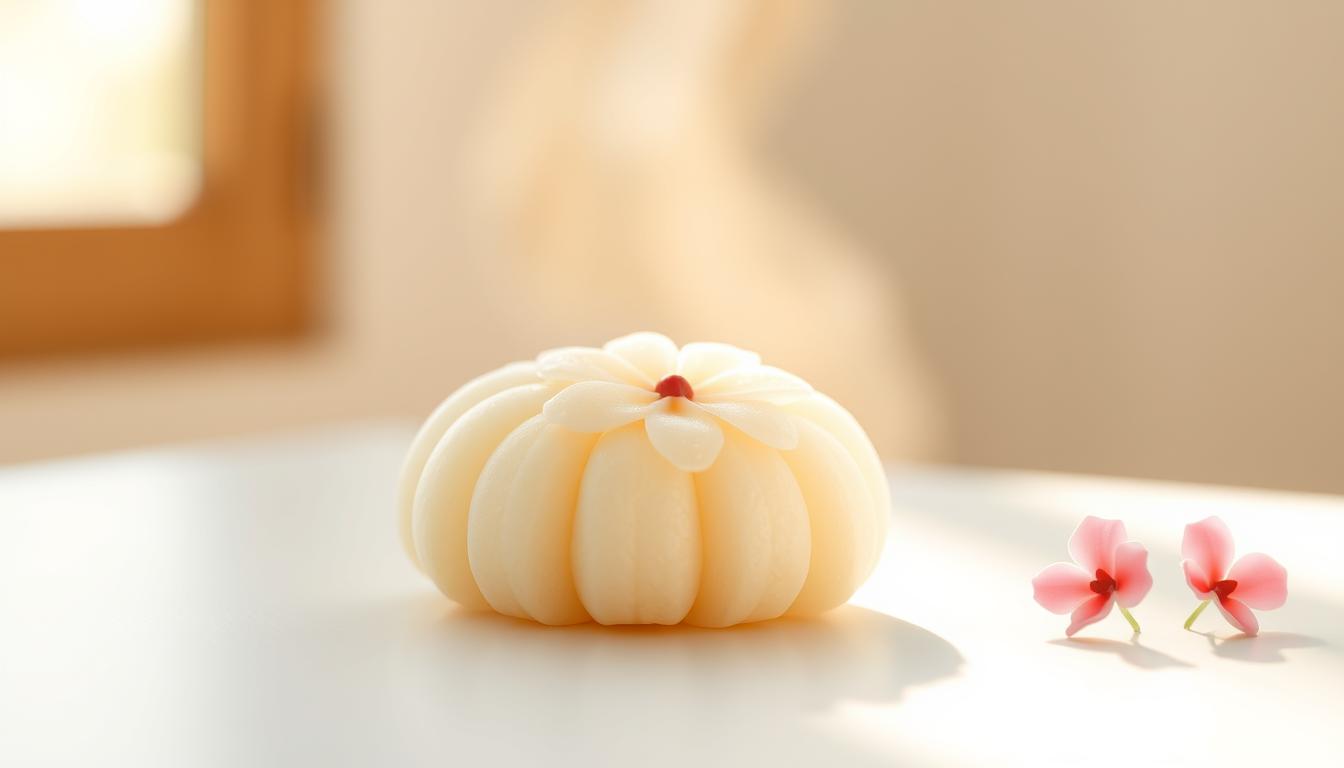
The world of desserts is vast and varied, but few treats capture the essence of traditional craftsmanship like wagashi-style cakes. These delightful steamed delights are not only a staple in Japan but have also gained popularity worldwide for their unique texture and deep flavors.
What makes these cakes so charming is their simplicity and the traditional techniques used in their preparation. Without the need for an oven, they offer a delightful treat that is both light and flavorful. As we explore the world of Japanese steamed cakes, we uncover the essence of a dessert that has become beloved in Japan and beyond.
Key Takeaways
- Understanding the traditional craftsmanship behind wagashi-style cakes.
- Exploring the unique texture and flavors of steamed desserts.
- Learning about the simplicity and traditional techniques used.
- Discovering why these cakes have gained global popularity.
- Appreciating the cultural significance of these desserts in Japan.
What Are Japanese Steamed Cakes and Their Origins?
The origins of Japanese steamed cakes are deeply rooted in the country’s culinary traditions and cultural practices. These traditional sweets have been a part of Japanese cuisine for centuries, evolving over time under various cultural influences.
Japanese steamed cakes, often referred to as “traditional sweets,” have a unique place in Japanese culture. They are not just desserts but are intricately linked with the country’s history and traditions.
A Brief History of Steamed Cakes in Japan
The history of steamed cakes in Japan is fascinating, with influences from various periods and cultures. Initially, these cakes were simple desserts made from basic ingredients. Over time, they evolved to incorporate various flavors and ingredients, reflecting the diverse culinary influences Japan experienced.
Steamed cakes became particularly popular during certain periods in Japanese history, where they were served at special occasions and ceremonies. Their preparation and consumption were often tied to traditional rituals and celebrations.
| Period | Influence on Steamed Cakes | Notable Ingredients |
|---|---|---|
| Edo Period | Introduction of new ingredients and cooking techniques | Green tea, red bean paste |
| Meiji Period | Western influences on traditional Japanese desserts | Sugar, Western-style flavorings |
| Modern Era | Diversification of flavors and ingredients | Fruits, nuts, and various fillings |
The Role of Steamed Cakes in Japanese Culture
Steamed cakes, including the popular “steamed mochi dessert,” play a significant role in Japanese culture. They are often served during traditional ceremonies and special occasions, such as New Year (Oshogatsu) celebrations and Girls’ Day (Hinamatsuri).
The preparation of steamed cakes is also a cultural activity, with recipes passed down through generations. This tradition not only preserves the culinary heritage but also strengthens family bonds.
In conclusion, Japanese steamed cakes are more than just a dessert; they are a window into Japan’s rich cultural heritage and history. Understanding their origins and cultural significance can enhance our appreciation of these traditional sweets.
Key Ingredients in Japanese Steamed Cakes
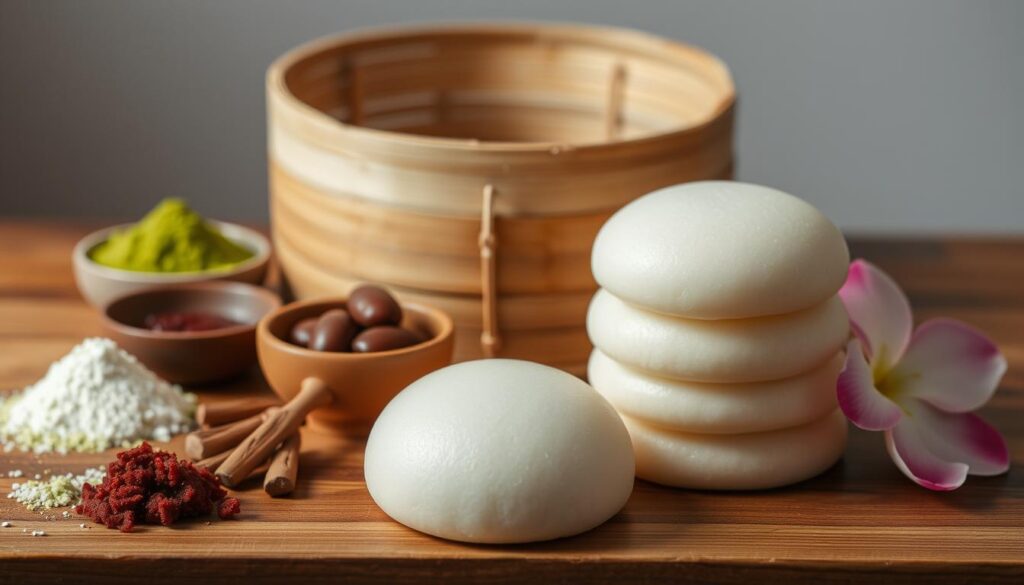
At the heart of every Japanese steamed cake is a blend of traditional ingredients that contribute to its unique taste and texture. These cakes, often referred to as ‘wagashi-style’ cakes, rely on a delicate balance of components to achieve their characteristic flavor and consistency.
Essential Components for Authentic Flavor
The foundation of Japanese steamed cakes includes basic ingredients such as flour, sugar, and eggs. Flour provides structure, while sugar adds sweetness and eggs contribute to moisture and richness. The quality of these ingredients significantly impacts the final product.
In addition to these staples, other essential components may include milk, butter or oil, and flavorings such as vanilla or matcha. The proportion of these ingredients can vary depending on the recipe and the desired outcome.
| Ingredient | Function |
|---|---|
| Flour | Provides structure and texture |
| Sugar | Adds sweetness and tenderness |
| Eggs | Contributes to moisture, richness, and leavening |
| Milk/Butter/Oil | Enhances flavor and moisture |
| Flavorings (e.g., vanilla, matcha) | Adds unique flavors and aromas |
Popular Flavor Variations and Add-Ins
While traditional Japanese steamed cakes are delightful on their own, modern variations often incorporate additional flavors and ingredients to cater to diverse tastes. Matcha, sakura, and yuzu are popular flavorings that not only add unique tastes but also enhance the cakes’ aesthetic appeal.
Other add-ins, such as red bean paste, chestnuts, or fruit, can introduce new textures and flavors, making each cake a unique experience.
The Unique Cooking Method of Japanese Steamed Cakes
Japanese steamed cakes owe their distinctive texture and flavor to a unique cooking method that sets them apart from their baked counterparts. This method not only contributes to their tender and moist texture but also preserves the nutritional value of the ingredients.
Steaming as a cooking method has several advantages over baking, particularly in the context of traditional sweets like steamed mochi dessert. For one, steaming allows for a gentler heat that doesn’t destroy the delicate balance of flavors or the texture of the ingredients. This is particularly important for Japanese steamed cakes, which often include sensitive ingredients like mochi or certain types of fillings that can be damaged by high oven temperatures.
Why Steaming Instead of Baking?
The decision to steam rather than bake Japanese steamed cakes is rooted in the desire to achieve a specific texture and to retain the nutritional integrity of the ingredients. Steaming ensures that the cakes are moist and soft, characteristics that are highly prized in traditional Japanese desserts. Moreover, steaming is a healthier option as it doesn’t require the addition of extra fats that are often used in baking.
Furthermore, steaming provides a versatile cooking method that can be adapted to various ingredients and fillings, allowing for a wide range of flavors and textures within the category of Japanese steamed cakes. This versatility is a key factor in the popularity of steamed cakes, as it enables bakers to innovate while still adhering to traditional methods.
Equipment Needed for Perfect Steamed Cakes
To achieve the perfect Japanese steamed cake, the right equipment is essential. A steamer is, of course, the most critical piece of equipment. There are various types of steamers available, including bamboo steamers and metal steamers, each with its own advantages. For those looking to make steamed cakes at home, a metal steamer is often recommended due to its durability and ease of use.
In addition to a steamer, other necessary equipment includes a mixing bowl, measuring cups, and a mold to shape the cakes. The choice of mold can vary, with some recipes calling for traditional molds and others using more modern or versatile options. Regardless of the mold chosen, it’s crucial that it’s properly prepared to prevent the cakes from sticking.
By understanding the unique cooking method of Japanese steamed cakes and having the right equipment, anyone can try their hand at making these delicious traditional sweets at home. Whether you’re a seasoned baker or just starting out, the process of steaming cakes can be a rewarding and enjoyable culinary experience.
Popular Types of Japanese Steamed Cakes
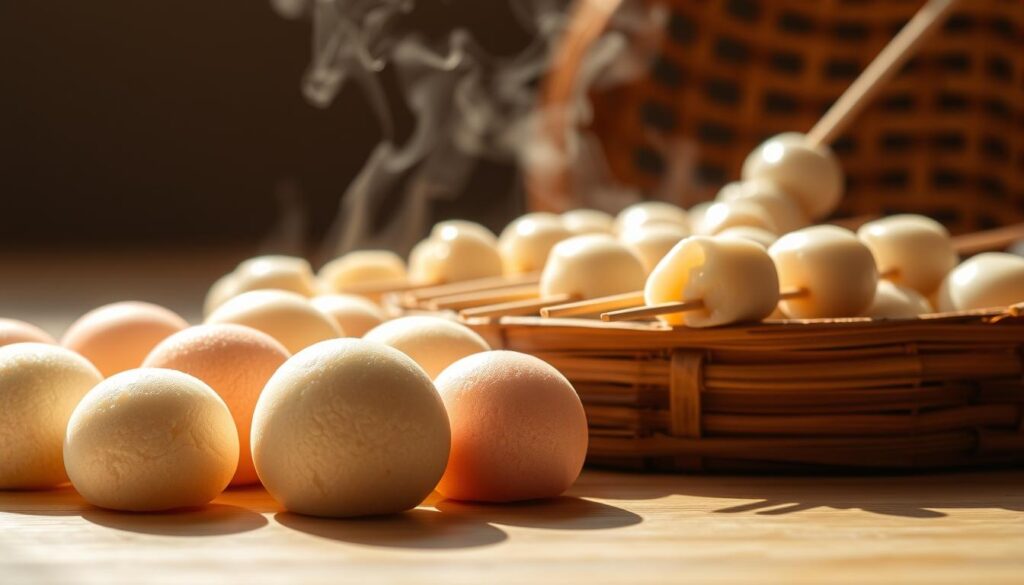
The world of Japanese steamed cakes is diverse, with numerous varieties that reflect the country’s rich culinary heritage.
An Overview of Common Varieties
Japanese steamed cakes, or “wagashi,” come in various flavors and textures. Some popular types include:
- Mochi cakes, which are soft and chewy
- Cakes filled with red bean paste, a traditional Japanese filling
- Sakura or cherry blossom-flavored cakes, celebrating the beauty of Japan’s cherry blossom season
| Type | Description | Common Flavor |
|---|---|---|
| Mochi Cake | Soft and chewy texture | Green tea, strawberry |
| Red Bean Cake | Filled with sweet red bean paste | Red bean, sesame |
| Sakura Cake | Flavored with cherry blossom | Sakura, white chocolate |
Regional Differences in Steamed Cake Recipes
Regional variations of Japanese steamed cakes are influenced by local ingredients and cultural traditions. For instance:
- The Hokkaido region is known for using fresh milk and cream in their steamed cakes, giving them a rich and creamy texture.
- Okinawan steamed cakes often incorporate local flavors like purple sweet potato and black sugar.
These regional differences highlight the versatility and adaptability of Japanese steamed cakes, making them a fascinating dessert to explore.
The Importance of Texture and Flavor
The texture and flavor of Japanese steamed cakes are not just characteristics; they are the essence that makes these traditional sweets so beloved. The delicate balance between a soft, fluffy interior and a gentle exterior is a hallmark of well-made steamed cakes.
To achieve this balance, it’s crucial to understand the techniques involved in creating the perfect texture and flavor. Let’s delve into the specifics of how to achieve a light, fluffy consistency and how various techniques can enhance the flavor of these delightful treats.
Achieving a Light, Fluffy Consistency
Achieving a light, fluffy consistency in Japanese steamed cakes involves several key factors, including:
- The quality of ingredients used, such as fresh eggs and high-quality flour.
- The mixing technique, which should be gentle to avoid deflating the batter.
- The steaming process, where the right amount of steam and heat control are crucial.
Enhancing Flavor Through Techniques
Enhancing the flavor of Japanese steamed cakes can be achieved through various techniques, such as:
- Using high-quality flavorings, like real vanilla or matcha powder.
- Incorporating different ingredients, such as red bean paste or fruit, to add depth and variety.
- Adjusting the ratio of sugar and other ingredients to balance the flavors.
By mastering these techniques, bakers can create steamed mochi desserts and other variations that are not only delicious but also visually appealing.
Step-by-Step Guide to Making Your Own
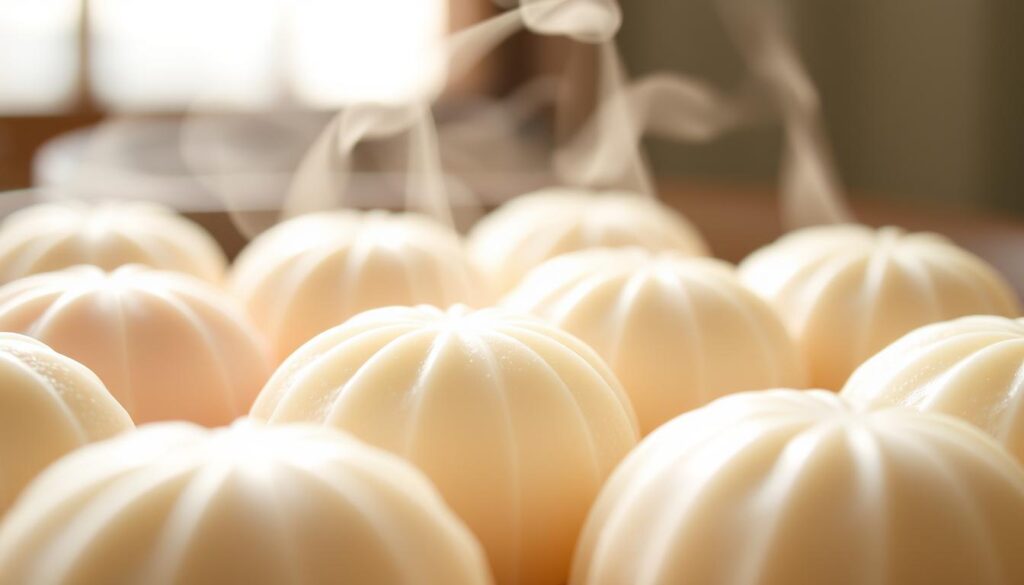
With a few simple ingredients and the right equipment, you can create authentic Japanese steamed cakes that rival those found in bakeries. Making these delicious treats at home is easier than you think, and it’s a great way to explore the world of Japanese steamed cakes and wagashi-style cake traditions.
Essential Tools and Equipment
Before you start, it’s crucial to have the right tools and equipment. For steaming, you’ll need a steamer basket that fits into a pot with a lid. You can use a metal or bamboo steamer, with bamboo being traditional for wagashi-style cakes. Ensure the steamer basket doesn’t touch the water below to prevent the cakes from getting wet.
Other essential tools include a mixing bowl, a whisk, a measuring cup, and a mold to shape your cakes. Traditional molds are made from wood or bamboo, but you can also use silicone or metal molds. The key is to ensure they are heat-resistant and can withstand steaming.
Recipe: Basic Japanese Steamed Cake
Here’s a simple recipe to get you started:
- 1 cup all-purpose flour
- 1/2 cup granulated sugar
- 2 teaspoons baking powder
- 1/4 teaspoon salt
- 1/2 cup milk
- 1 large egg
- 1 teaspoon vanilla extract
Mix dry ingredients together, then combine with wet ingredients until smooth. Pour the batter into your prepared molds, and steam over boiling water for about 15-20 minutes, or until the cakes are fluffy and cooked through.
Experiment with flavors by adding different extracts or ingredients like red bean paste or matcha powder to create unique Japanese steamed cakes.
Tips for Perfecting Your Steamed Cakes
Perfecting Japanese steamed cakes is a matter of avoiding common pitfalls and adopting expert advice. To create these delightful traditional sweets, one must pay attention to detail and technique.
Common Mistakes to Avoid
When making Japanese steamed cakes, several common mistakes can lead to less-than-desirable results. These include:
- Insufficient steaming time, leading to undercooked cakes.
- Incorrect ingredient ratios, affecting texture and flavor.
- Inadequate preparation of the steaming equipment, causing cakes to stick.
Avoiding these mistakes requires careful planning and attention to detail. For instance, ensuring the right steaming time is crucial for achieving the perfect texture in your steamed mochi dessert.
Helpful Baking Tips from Experts
Experts in the field of Japanese desserts offer several tips for making exceptional steamed cakes. These include:
- Using high-quality ingredients to enhance flavor and texture.
- Maintaining the right temperature and humidity during the steaming process.
- Experimenting with different flavor combinations to create unique variations.
A key tip from seasoned bakers is to ensure that the steamer is properly preheated before adding the cake batter. This helps in achieving a smooth, even texture.
| Tip | Description | Benefit |
|---|---|---|
| Use Fresh Ingredients | Ensure all ingredients are fresh and of high quality. | Enhances flavor and texture. |
| Control Steaming Time | Steam cakes for the correct amount of time. | Prevents undercooking or overcooking. |
| Experiment with Flavors | Try different flavor combinations. | Creates unique and delicious variations. |
By following these expert tips and avoiding common mistakes, you can perfect your Japanese steamed cakes and enjoy a delicious steamed mochi dessert that’s sure to impress.
Healthier Alternatives to Traditional Recipes
As the demand for healthier desserts continues to rise, adapting traditional Japanese steamed cake recipes to suit modern dietary needs has become increasingly popular. This shift towards healthier eating doesn’t mean sacrificing the delightful experience of enjoying a traditional Japanese steamed cake.
One of the primary ways to make Japanese steamed cakes healthier is by substituting certain ingredients. For instance, using less sugar or alternative sweeteners like honey or maple syrup can significantly reduce the calorie count. Additionally, incorporating whole wheat flour or almond flour instead of traditional white flour can enhance the nutritional value of the cakes.
Substituting Ingredients for a Healthier Cake
Substituting ingredients is a straightforward way to make Japanese steamed cakes healthier. Some options include:
- Using coconut sugar or date sugar as alternatives to refined sugar.
- Incorporating plant-based milks such as almond, soy, or coconut milk to cater to dairy-free diets.
- Adding fiber-rich ingredients like chia seeds or flaxseeds to enhance the nutritional profile.
According to a renowned pastry chef, “The key to making healthier desserts is to balance the reduction of unhealthy ingredients with the enhancement of nutritional elements, ensuring the final product remains delicious and satisfying.”
“The art of creating healthier desserts lies in understanding the role of each ingredient and finding the right substitutes that maintain the integrity of the traditional recipe.”
Vegan and Gluten-Free Options
For those with dietary restrictions, creating vegan and gluten-free versions of Japanese steamed cakes is entirely possible. Using gluten-free flours like rice flour or corn flour can make the cakes accessible to those with gluten intolerance. For vegan versions, replacing eggs with aquafaba or using vegan-friendly binding agents can achieve the desired texture.
Here’s an example of how you can modify a traditional recipe to make it vegan and gluten-free:
| Ingredient | Traditional Version | Healthier Alternative |
|---|---|---|
| Flour | White Flour | Gluten-Free Flour Blend |
| Sugar | Refined Sugar | Coconut Sugar |
| Milk | Dairy Milk | Almond Milk |
By making these simple substitutions, you can enjoy Japanese steamed cakes that are not only delicious but also cater to various dietary needs. Whether you’re looking for vegan, gluten-free, or simply a healthier dessert option, there’s a version of Japanese steamed cake out there for you.
Serving Suggestions and Pairings
The experience of enjoying Japanese steamed cakes can be elevated by choosing the right accompaniments and presentation styles. Whether you’re serving them at a traditional tea ceremony or a modern dessert party, the right pairings can make all the difference.
Best Beverages to Enjoy with Steamed Cakes
Japanese steamed cakes, or “traditional sweets,” are often enjoyed with beverages that complement their delicate flavors. Some popular choices include:
- Green tea, which is a classic pairing that enhances the subtle sweetness of the cakes.
- Coffee, for those who prefer a stronger contrast to the soft, fluffy texture of the steamed cakes.
- Traditional Japanese tea blends, such as Matcha or Sencha, which can add a ceremonial touch to your dessert experience.
For a more modern twist, you might consider serving your steamed cakes with:
- Fruit-infused water or herbal teas for a refreshing contrast.
- Hot chocolate for a richer, sweeter treat.
Creative Ways to Serve and Present Your Cakes
Presentation is key when serving steamed mochi dessert or other varieties of Japanese steamed cakes. Here are some ideas to get you started:
- Use traditional Japanese serving dishes or ceramics to add an authentic touch.
- Garnish with fresh fruit or edible flowers to enhance the visual appeal.
- Consider steaming your cakes in decorative molds to create unique shapes and designs.
By thoughtfully pairing your Japanese steamed cakes with the right beverages and presenting them in a creative way, you can elevate the overall experience and delight your guests.
Conclusion: Why You Should Try Japanese Steamed Cakes
Japanese steamed cakes, with their delicate texture and subtle flavors, offer a unique culinary experience that is both soothing and delightful. The charm of these cakes lies not only in their taste but also in the simplicity and joy of making them.
By trying your hand at making Japanese steamed cakes, you can explore a variety of flavors and ingredients, creating your own wagashi-style cake recipes. This process allows you to connect with a traditional Japanese art form while enjoying the benefits of a fun and rewarding cooking experience.
The Delight of Homemade Steamed Cakes
Making Japanese steamed cakes at home enables you to experiment with different ingredients and flavors, tailoring each cake to your preferences. Whether you’re looking to create a traditional dessert or innovate with modern twists, the versatility of Japanese steamed cakes makes them a delightful addition to any culinary repertoire.
Experimenting in the Kitchen
As you become more comfortable with the basic recipe, you can begin to innovate and personalize your Japanese steamed cakes. This creative process not only enhances your cooking skills but also allows you to share your creations with friends and family, spreading the joy of this traditional Japanese treat.
FAQ
What is a Japanese steamed cake, and how does it differ from other types of cakes?
Japanese steamed cakes, also known as wagashi-style cakes or steamed mochi desserts, are traditional sweets that are made using a steaming process instead of baking. This method gives them a unique texture and flavor profile that is distinct from other types of cakes.
What are the key ingredients used in making Japanese steamed cakes?
The essential ingredients for making Japanese steamed cakes include flour, sugar, eggs, and milk. Some recipes may also incorporate additional ingredients such as flavorings, nuts, or fruit to enhance the taste and texture.
Can I make Japanese steamed cakes at home, and what equipment do I need?
Yes, you can make Japanese steamed cakes at home. The necessary equipment includes a steamer basket, a pot with a lid, and a heatproof container to hold the cake batter. You can also use a bamboo steamer or a metal steamer with a thermometer to ensure precise temperature control.
How do I achieve the perfect texture in Japanese steamed cakes?
To achieve a light and fluffy texture in Japanese steamed cakes, it’s crucial to use the right ratio of ingredients, mix the batter correctly, and steam the cakes at the appropriate temperature and time. Overmixing or understeaming can result in dense or soggy cakes.
Are Japanese steamed cakes suitable for special diets, such as vegan or gluten-free?
Yes, Japanese steamed cakes can be adapted to suit various dietary needs. You can substitute ingredients like eggs and dairy milk with vegan alternatives and use gluten-free flours to make the cakes more inclusive.
What are some popular flavor variations and add-ins for Japanese steamed cakes?
Popular flavor variations for Japanese steamed cakes include matcha, sesame, and fruit flavors like strawberry or mango. You can also add-ins like nuts, dried fruit, or chocolate chips to create unique and delicious combinations.
How should I store and serve Japanese steamed cakes?
Japanese steamed cakes are best consumed fresh, but they can be stored in an airtight container in the refrigerator for a few days. When serving, you can enjoy them on their own or paired with beverages like green tea, coffee, or hot chocolate.