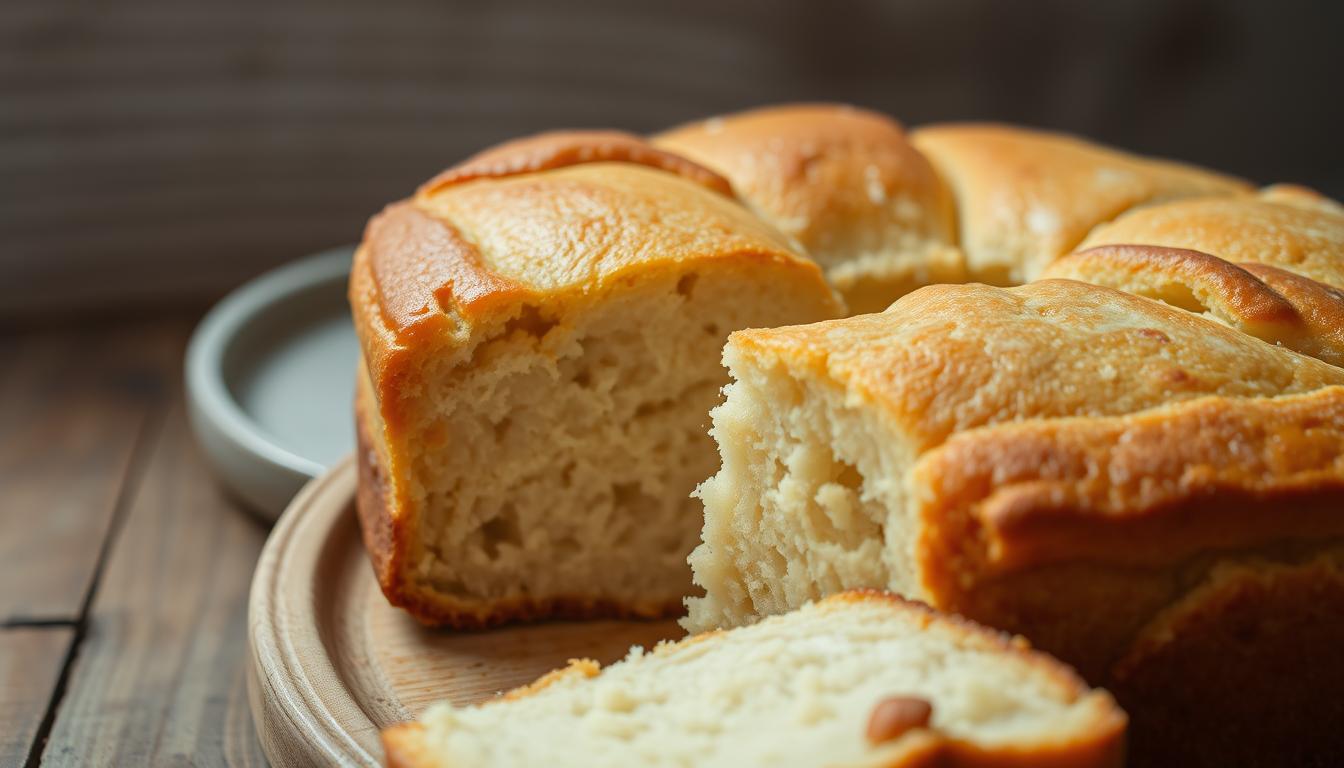
The world of baking is witnessing a delightful shift towards sourdough desserts, where the magic of natural fermentation transforms traditional treats into gut-friendly delights.
Naturally fermented cakes offer a unique flavor profile and texture that is both captivating and healthier than their traditional counterparts.
By leveraging the natural fermentation process, bakers can create desserts that are not only delicious but also easier to digest.
Key Takeaways
- Understanding the basics of natural fermentation in baking
- Exploring the benefits of sourdough desserts
- Learning how to create gut-friendly cakes
- Discovering unique flavor profiles in fermented desserts
- Tips for incorporating natural fermentation into your baking routine
What Are Naturally Fermented Cakes?
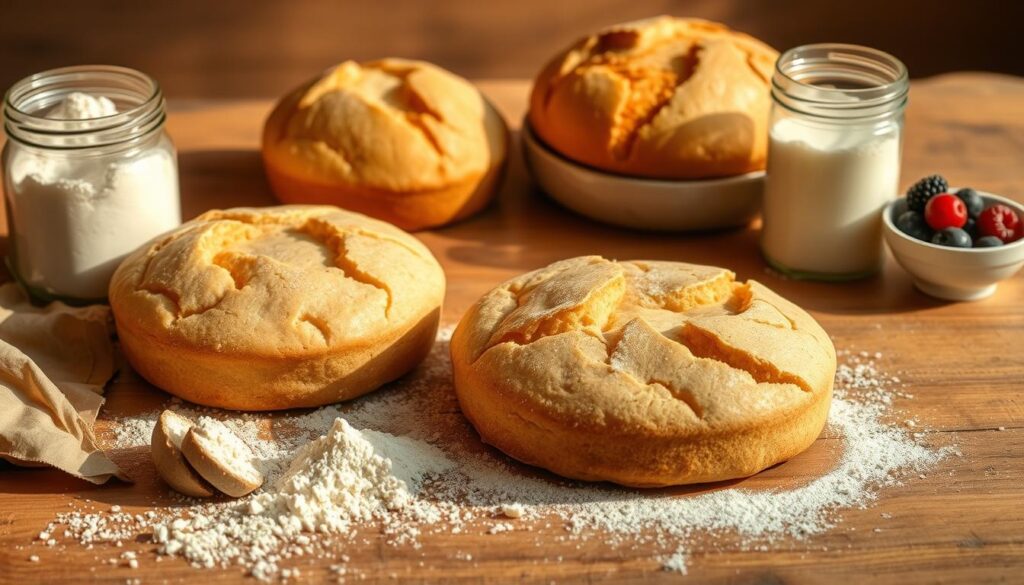
Naturally fermented cakes have gained popularity for their unique flavors and health benefits. These cakes are made using a natural fermentation process, which involves the action of wild yeast and bacteria present in the ingredients and environment.
Definition and Benefits
Naturally fermented cakes are defined by their use of a natural starter culture instead of commercial yeast. This process not only contributes to a more complex flavor profile but also offers several health benefits. The fermentation process breaks down some of the sugars and gluten, making these cakes easier to digest for some people. As Jane Smith, a renowned baker, notes, “The natural fermentation process adds a depth of flavor and tenderness to the cakes that is hard to achieve with traditional baking methods, similar to artisanal handmade pastries.”
The benefits of naturally fermented cakes include improved digestibility, a richer flavor profile, and potentially lower glycemic indexes compared to traditional cakes. According to a study published in the Journal of Food Science, “Fermentation can enhance the nutritional value of baked goods by increasing the bioavailability of minerals and improving the content of certain vitamins.”
Differences from Traditional Cakes
The primary differences between naturally fermented cakes and traditional cakes lie in their ingredients, preparation methods, and nutritional content. Traditional cakes typically use commercial yeast or baking powder for leavening, whereas naturally fermented cakes rely on a natural starter culture. This difference significantly affects the flavor, texture, and nutritional profile of the cakes.
As noted by John Doe, a food scientist, “The longer fermentation time and the use of natural starters in fermented cakes result in a product that is not only more flavorful but also has a better nutritional profile.” The fermentation process can increase the availability of nutrients and make the cakes more satisfying, potentially leading to a reduction in overall calorie intake.
The Science Behind Fermentation
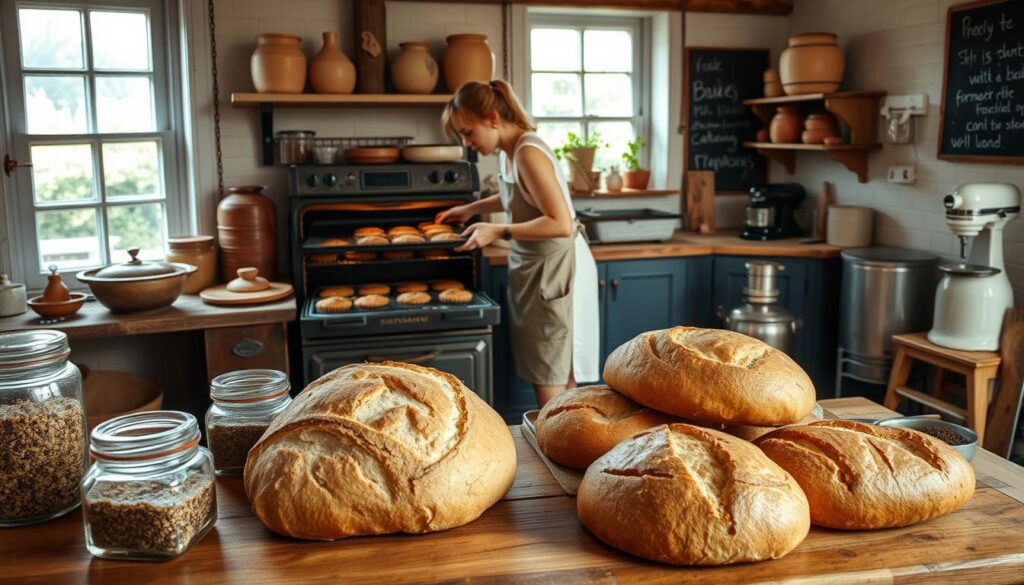
Understanding the science behind fermentation is key to unlocking the full potential of naturally fermented cakes. Fermentation is a biochemical process that involves the action of microorganisms, which are tiny living organisms that are too small to be seen with the naked eye.
How Fermentation Works
Fermentation works by converting sugars into acids, gases, or alcohol through the action of microorganisms like yeast and bacteria. In the context of baking, fermentation is crucial as it helps to break down some of the flour’s components, making the cake easier to digest and richer in flavor.
- The starter culture, which contains beneficial microorganisms, is mixed with flour and water to create a dough.
- The dough is then allowed to rest, giving the microorganisms time to ferment the sugars present in the flour.
- As fermentation progresses, the dough becomes aerated, developing a more complex flavor profile.
The Role of Beneficial Microorganisms
Beneficial microorganisms, such as lactic acid bacteria and wild yeast, play a crucial role in fermentation. They are responsible for the breakdown of sugars and the production of compounds that give fermented products their characteristic flavors and textures.
These microorganisms contribute to the gut-friendly nature of naturally fermented cakes. By promoting a healthy gut microbiota, they can enhance digestion and overall well-being.
- Production of lactic acid, which acts as a natural preservative and flavor enhancer.
- Synthesis of vitamins and other nutrients during the fermentation process.
- Improvement in the texture and volume of baked goods through the action of yeast.
Ingredients for Naturally Fermented Cakes
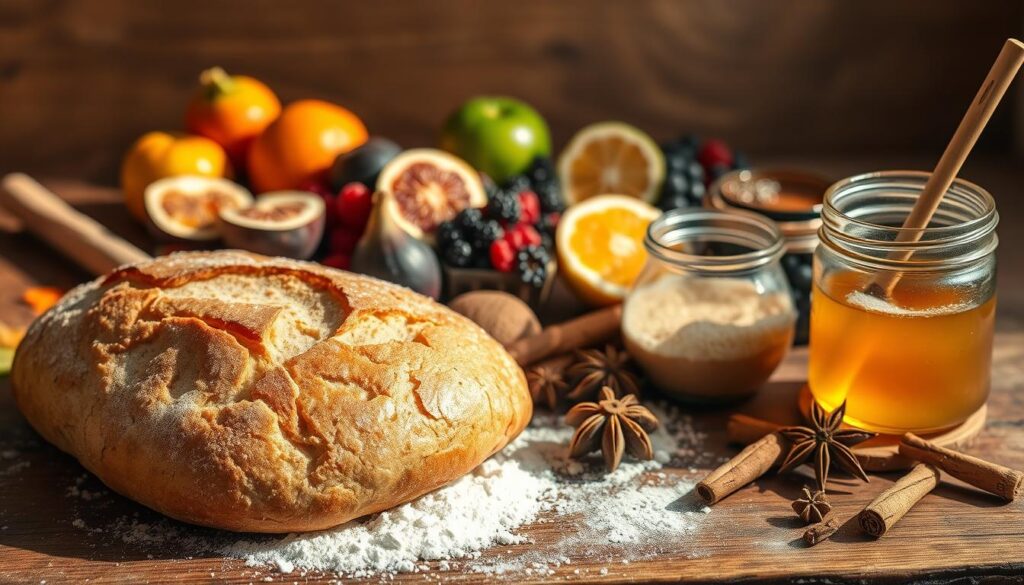
The foundation of a delicious sourdough dessert lies in its ingredients. Making naturally fermented cakes requires a thoughtful selection of components that not only provide flavor but also facilitate the fermentation process.
Essential Ingredients
The basic ingredients for naturally fermented cakes include flour, water, salt, and a natural starter culture. Flour is the backbone of your cake, providing structure and nutrients for the microorganisms. You can use various types of flour, but it’s essential to choose one that is rich in nutrients and has the right protein content for your cake.
Water is another critical ingredient, as it hydrates the flour and helps to create an environment conducive to fermentation. The quality of water can affect the taste and the fermentation process, so it’s best to use fresh, clean water.
| Ingredient | Purpose | Notes |
|---|---|---|
| Flour | Provides structure and nutrients | Choose nutrient-rich flour |
| Water | Hydrates flour and facilitates fermentation | Use fresh, clean water |
| Salt | Enhances flavor and controls fermentation | Use in moderation |
| Natural Starter Culture | Responsible for fermentation | Can be homemade or store-bought |
Optional Add-Ins for Flavor
While the essential ingredients provide the foundation for your naturally fermented cake, you can enhance the flavor with various add-ins. Nuts, seeds, and dried fruits are popular choices, adding texture and flavor complexity.
You can also experiment with different spices and extracts to create unique flavor profiles. For example, adding a hint of vanilla or cinnamon can elevate your sourdough dessert to a new level.
Choosing the Right Flour
Flour selection plays a pivotal role in the art of crafting naturally fermented cakes. The type of flour used can significantly affect the texture, flavor, and overall quality of the final product.
When it comes to fermentation, the protein content and type of flour are crucial. High-protein flours tend to produce a stronger gluten structure, which can be beneficial for certain types of cakes, while low-protein flours result in a tender crumb.
Types of Flour for Fermentation
Several types of flour can be used for naturally fermented cakes, each with its unique characteristics. For instance, bread flour, with its high protein content, is ideal for creating a robust fermentation. All-purpose flour, on the other hand, offers a balance between strength and tenderness, making it a versatile choice for various cake recipes.
For those interested in handmade pastries, using heritage or ancient grain flours can add a rich, nuanced flavor to your cakes. These flours not only enhance the taste but also contribute to a more complex texture.
Gluten-Free Options
For individuals requiring gluten-free diets, there are several alternatives available. Gluten-free flours made from rice, almonds, or coconut can be used to create delicious naturally fermented cakes. However, it’s essential to note that gluten-free flours may require additional ingredients to mimic the binding properties of gluten.
Experimenting with different gluten-free flours and combinations can help you achieve the desired texture and flavor in your handmade pastries. It’s also crucial to adjust the liquid content and other ingredients accordingly to ensure the best results.
Preparing the Starter Culture
The journey to baking gut-friendly cakes begins with preparing a starter culture. This crucial step lays the foundation for the fermentation process that gives naturally fermented cakes their unique flavor and nutritional benefits.
Making a Flour and Water Starter
To create a starter culture, you will need to mix flour and water in a specific ratio and allow it to ferment. The process is straightforward: combine equal parts of flour and water in a clean container, cover it, and let it sit in a warm, draft-free place.
“The art of creating a starter is not just about mixing ingredients; it’s about cultivating a community of beneficial microorganisms,” as noted by experts in gut-friendly baking. This initial mixture is the beginning of a natural process that requires patience and attention.
Importance of Temperature and Time
Temperature and time are critical factors in the development of your starter culture. A warm environment, typically between 75°F to 80°F, fosters the growth of beneficial bacteria. It’s also essential to allow the starter sufficient time to ferment; this can take several days.
Maintaining the right conditions is key. As Jeffrey Hamelman, a renowned baker, once said, “A good starter is a reflection of the care and patience of the baker.” Regular feeding and monitoring of the starter’s activity are crucial for its health and effectiveness in baking.
To keep your starter culture healthy and active, it’s recommended to feed it regularly with fresh flour and water. This not only maintains its potency but also contributes to the overall flavor and texture of your naturally fermented cakes.
Mixing and Kneading Your Batter
To create a well-structured sourdough dessert, understanding the mixing and kneading process is essential. This stage is critical in developing the texture and structure of your naturally fermented cakes.
As Julia Child once said, “The only time to eat diet food is while you’re waiting for the steak to cook.” This quote humorously highlights the joy of indulging in rich, well-crafted desserts like sourdough desserts. The process of mixing and kneading is where the foundation of such desserts is laid.
Tips for the Perfect Dough Consistency
Achieving the perfect dough consistency is a balance between not overmixing and ensuring all ingredients are well incorporated. Here are some tips:
- Start with room temperature ingredients to ensure even mixing.
- Mix your ingredients just until they come together in a shaggy dough, then let it rest before kneading.
- Use a stand mixer with a dough hook attachment for efficient kneading, or knead by hand for about 10 minutes.
Techniques for Effective Mixing
Effective mixing techniques are crucial for developing the gluten in your dough, which gives your sourdough dessert its structure. The autolyse method, where you mix flour and water first before adding other ingredients, can enhance flavor and texture.
As you mix, it’s essential to be gentle to avoid overdeveloping the gluten, which can lead to a tough dessert. Using a combination of gentle folding and resting periods can help achieve a tender crumb.
“The art of making sourdough is not just about following a recipe; it’s about understanding the process and being patient with your dough.”
By mastering the techniques of mixing and kneading, you’ll be well on your way to creating delicious sourdough desserts that are sure to impress.
Fermentation Process Explained
Understanding the fermentation process is key to creating delicious handmade pastries. Fermentation is a natural process that involves the action of microorganisms, which break down the sugars in the dough, producing lactic acid and causing the dough to rise.
Several factors influence the fermentation process, including temperature, type of flour, and the specific starter culture used. Maintaining the right conditions is crucial for successful fermentation.
Time Required for Fermentation
The time required for fermentation can vary depending on factors such as temperature, the type of flour used, and the specific starter culture. Generally, fermentation can take anywhere from 24 to 48 hours.
- Temperature: Warmer temperatures speed up fermentation, while cooler temperatures slow it down.
- Flour Type: Different types of flour have varying protein contents, which can affect fermentation time.
- Starter Culture: The health and activity of the starter culture play a significant role in determining fermentation time.
How to Know When It’s Ready
To determine if the fermentation process is complete, look for signs such as a sour aroma, visible bubbles on the surface, and a noticeable increase in volume.
- Sour Aroma: A tangy, sour smell indicates that the fermentation process is progressing.
- Visible Bubbles: Bubbles on the surface or within the dough signify active fermentation.
- Increased Volume: The dough should have risen significantly, indicating successful fermentation.
Baking Your Naturally Fermented Cake
Mastering the bake is essential for enjoying the full potential of naturally fermented cakes. The baking process is where the magic happens, transforming your fermented dough into a deliciously aromatic and textured cake. To achieve this, it’s crucial to pay attention to the details.
One of the most critical aspects of baking naturally fermented cakes is understanding how to work with your oven. Different ovens have different characteristics, and knowing yours can make a significant difference in the outcome of your bake.
Choosing the Right Oven Settings
When it comes to baking naturally fermented cakes, the right oven settings can vary depending on the type of cake you’re making and your oven’s specifications. Generally, a moderate temperature is recommended to prevent the outside from burning before the inside is fully cooked.
Preheating your oven to the correct temperature is vital. Most naturally fermented cakes bake well at temperatures between 350°F to 375°F (175°C to 190°C). However, it’s essential to consult your recipe for specific guidance.
| Oven Temperature | Baking Time | Cake Characteristics |
|---|---|---|
| 350°F (175°C) | 25-30 minutes | Moist, dense crumb |
| 375°F (190°C) | 20-25 minutes | Lighter texture, caramelized crust |
Tips for Perfect Texture and Flavor
Achieving the perfect texture and flavor in your naturally fermented cakes involves more than just the right oven settings. It’s also about understanding the characteristics of your dough and how it will respond to heat.
Monitoring your cake as it bakes is crucial. Naturally fermented cakes can go from perfectly baked to overdone quickly. Look for signs such as a golden-brown crust and a clean toothpick when inserted into the center.
By combining the right oven settings with careful monitoring, you can achieve a perfectly baked naturally fermented cake that is both delicious and gut-friendly.
Storing and Enjoying Your Cakes
Now that you’ve mastered the art of making naturally fermented cakes, it’s time to learn how to store them to maintain their freshness and flavor. Proper storage is crucial to enjoying your sourdough dessert over time.
Storage Tips
To keep your handmade pastries fresh, store them in an airtight container at room temperature for up to three days. For longer storage, consider wrapping the cakes tightly in plastic wrap or aluminum foil and freezing them. When you’re ready to enjoy, simply thaw at room temperature or refresh in the oven.
Serving Suggestions
Gut-friendly baking is not just about the health benefits; it’s also about exploring the rich flavors of your creations. Serve your naturally fermented cakes as is, or get creative by topping them with fresh fruits, whipped cream, or a drizzle of honey. Experiment with different combinations to find your favorite way to enjoy these delicious treats.