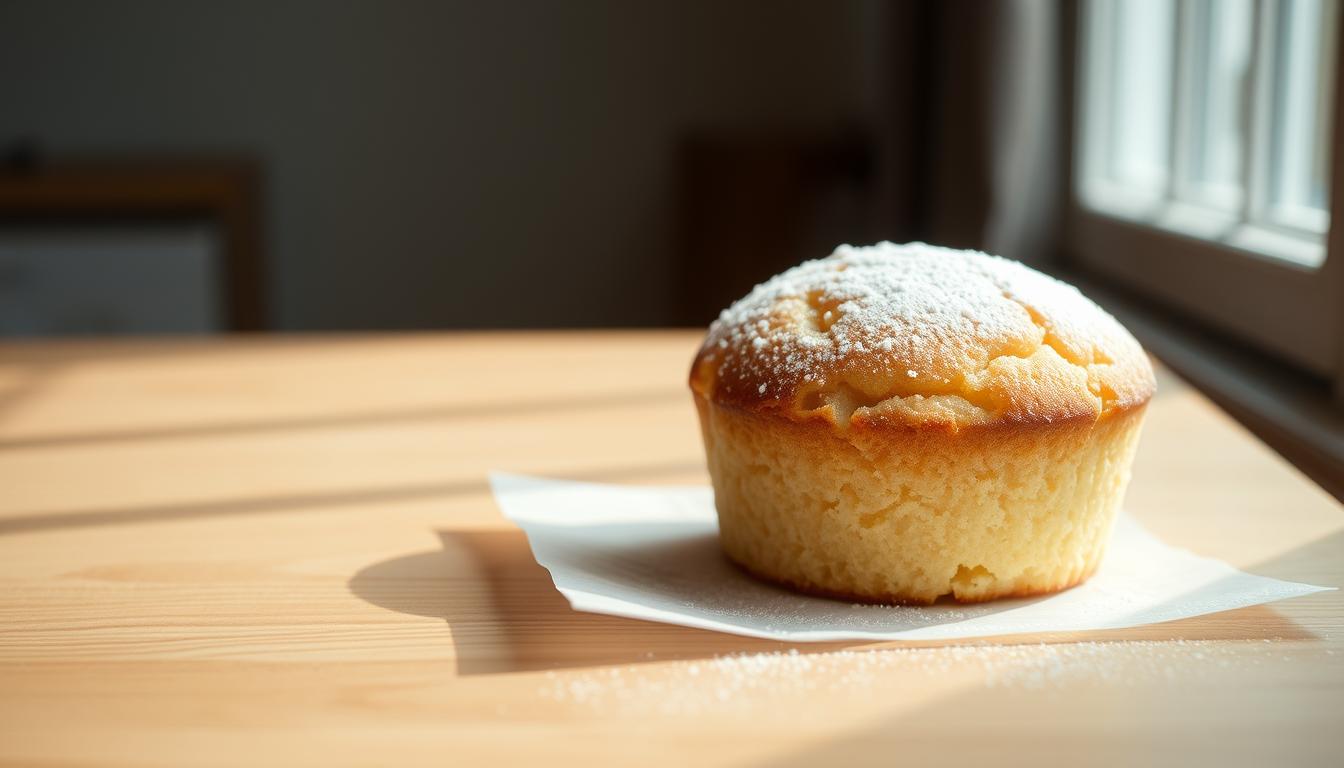
Starting your day with a nutritious meal doesn’t have to be complicated. Preparing minimalist breakfast cakes using just one key ingredient can simplify your morning routine while providing quick energy and simple nutrition. This approach to cooking is all about efficiency and ease.
By focusing on a single key ingredient, you can create a delicious and healthy meal with minimal cooking effort. This method not only saves time but also ensures that you’re getting the nutrients you need to start your day off right.
Key Takeaways
- Simplified meal preparation with just one key ingredient
- Quick energy and simple nutrition to start your day
- Minimal cooking effort required
- Healthy and delicious meal options
- Time-saving approach to morning routine
What is a Single-Ingredient Breakfast Cake?
Imagine starting your day with a delicious, one-ingredient breakfast cake that’s both healthy and easy to prepare. This concept is not only intriguing but also highly practical for those looking to simplify their morning routine.
Definition and Overview
A single-ingredient breakfast cake is made from one primary ingredient, transformed into a cake through simple preparation methods. This could be anything from a banana to a sweet potato, turned into a cake through blending, baking, or cooking.
The beauty of these cakes lies in their simplicity and the minimalism of their ingredients, making them an attractive option for those seeking easy prep sweets without the hassle of complex recipes.
Benefits of Single-Ingredient Cakes
The benefits of single-ingredient breakfast cakes are multifaceted. Firstly, they offer a nutritious start to the day, depending on the ingredient used. For instance, using oats can provide a good dose of fiber, while bananas offer potassium.
Secondly, they are incredibly easy to prepare, requiring minimal time and effort, making them perfect for busy mornings.
| Ingredient | Nutritional Benefit | Preparation Time |
|---|---|---|
| Banana | Rich in Potassium | 5 minutes |
| Oats | High in Fiber | 10 minutes |
| Sweet Potato | Rich in Vitamins | 15 minutes |
By incorporating single-ingredient breakfast cakes into your morning routine, you can enjoy a healthy, delicious, and quick meal that sets you up for the day ahead.
Choosing the Right Key Ingredient
The key to a perfect single-ingredient breakfast cake is selecting an ingredient that is both nutritious and flavorful. With numerous options available, choosing the right one can be a bit daunting, but understanding the characteristics of each can simplify the process.
Common Options for Single-Ingredient Cakes
Some of the most popular ingredients used for single-ingredient breakfast cakes include bananas, oats, sweet potatoes, and applesauce. Each of these ingredients offers a unique flavor and texture, making them suitable for different tastes and dietary needs.
- Bananas: Rich in potassium and natural sweetness, bananas make a great base for a breakfast cake.
- Oats: Providing a good source of fiber, oats are a hearty option for a filling breakfast.
- Sweet Potatoes: Packed with vitamins and minerals, sweet potatoes add a delicious twist to the traditional breakfast cake.
- Applesauce: Low in calories and high in fiber, applesauce is a healthy alternative for those looking for a lighter option.
Nutritional Profiles of Each Ingredient
Understanding the nutritional profile of each ingredient is crucial for making an informed decision. For instance, bananas are not only a good source of potassium but also provide a natural sweetness that reduces the need for added sugars.
Oats, on the other hand, are rich in fiber, which can help in keeping you full until your next meal. Sweet potatoes are loaded with vitamins A and C, making them a nutritious choice. Applesauce is another healthy option, being low in calories and rich in antioxidants.
By considering the nutritional benefits and flavor profiles of these ingredients, you can choose the best option for your single-ingredient breakfast cake, ensuring a nutritious and delicious start to your day.
How to Prepare Your Cake Batter
Making the batter for your single-ingredient breakfast cake is easier than you think. The process involves just a few simple steps, ensuring that you can enjoy a healthy breakfast without much fuss.
Basic Mixing Techniques
The foundation of a great breakfast cake is its batter. To mix it, you’ll need to mash your chosen ingredient until it’s smooth. For instance, if you’re using a banana, mash it in a bowl until there are no lumps. Then, you can add any optional ingredients you’re using, such as eggs or a bit of honey, and mix until well combined.
It’s essential to achieve the right consistency. The batter should be thick but still pourable. If it’s too dry, you can add a splash of milk or water. If it’s too wet, a bit more of your main ingredient can help balance it out.
Keeping It Simple: Avoiding Additives
One of the joys of a single-ingredient breakfast cake is its simplicity. To keep it that way, avoid adding too many extras. While a bit of spice or a handful of nuts can be nice, too many additives can complicate the recipe and detract from the simplicity of the dish.
Here’s a simple guide to common additives and their effects:
| Additive | Effect |
|---|---|
| Eggs | Adds moisture and richness |
| Nuts or Seeds | Provides crunch and extra nutrition |
| Spices (e.g., cinnamon) | Enhances flavor without adding sugar |
By keeping your additives to a minimum, you can enjoy the pure taste of your chosen ingredient while still benefiting from a satisfying breakfast.
Cooking Methods for Breakfast Cakes

The versatility of single-ingredient breakfast cakes lies in their ability to be cooked in multiple ways, making them a convenient option for busy mornings.
Cooking your one-ingredient pastry can be achieved through various methods, each with its own advantages. Here are the most common techniques:
Baking in the Oven
Baking in the oven is a popular method for cooking breakfast cakes as it allows for even heating and a nicely browned exterior. To bake, simply pour your batter into a greased pan and place it in a preheated oven at 375°F (190°C) for about 20-25 minutes, or until a toothpick inserted comes out clean.
Cooking on the Stovetop
Cooking on the stovetop is another viable option, especially for those without access to an oven or preferring a quicker method. Use a non-stick pan over medium heat, pour in your batter, cover, and cook for about 5-7 minutes on each side, or until the cake is cooked through and golden brown.
Microwave Preparation
For a quick and easy breakfast, microwave preparation is a great option. Pour your batter into a microwave-safe mug or ramekin and cook on high for 1-2 minutes, depending on your microwave’s power. Be cautious as cooking times may vary.
Regardless of the method you choose, the key to minimal cooking is simplicity and speed. Each of these methods allows you to prepare a delicious one-ingredient pastry with ease.
Here are some tips to keep in mind when choosing your cooking method:
- Consider the texture you prefer: oven-baked cakes tend to be fluffier, while stovetop cakes can be more dense.
- Think about the time you have available: microwave preparation is the quickest, while oven baking takes the longest.
- Choose based on your equipment: if you don’t have an oven, stovetop or microwave are good alternatives.
Flavor Variations to Try
You can easily customize your single-ingredient breakfast cakes with a range of exciting flavors. Whether you’re in the mood for something sweet or savory, there are numerous options to enhance your breakfast experience.
Sweet Options: Banana and Applesauce
For those with a sweet tooth, using ripe bananas or applesauce as your single ingredient can create deliciously moist breakfast cakes. Banana cakes are naturally sweet and pair well with a hint of cinnamon or nutmeg. On the other hand, applesauce cakes offer a subtle tanginess that can be complemented by adding a drizzle of honey or maple syrup.
Savory Ideas: Sweet Potato and Butternut Squash
If you prefer savory flavors, consider using cooked sweet potato or butternut squash as your base ingredient. These options not only add a rich, earthy flavor but also pack your breakfast with nutrients. Sweet potato cakes can be seasoned with herbs like sage or rosemary, while butternut squash cakes might benefit from a sprinkle of paprika or garlic powder.
By exploring these flavor variations, you can keep your single-ingredient breakfast cakes interesting and tailored to your taste preferences.
Topping Ideas for Extra Nutrition
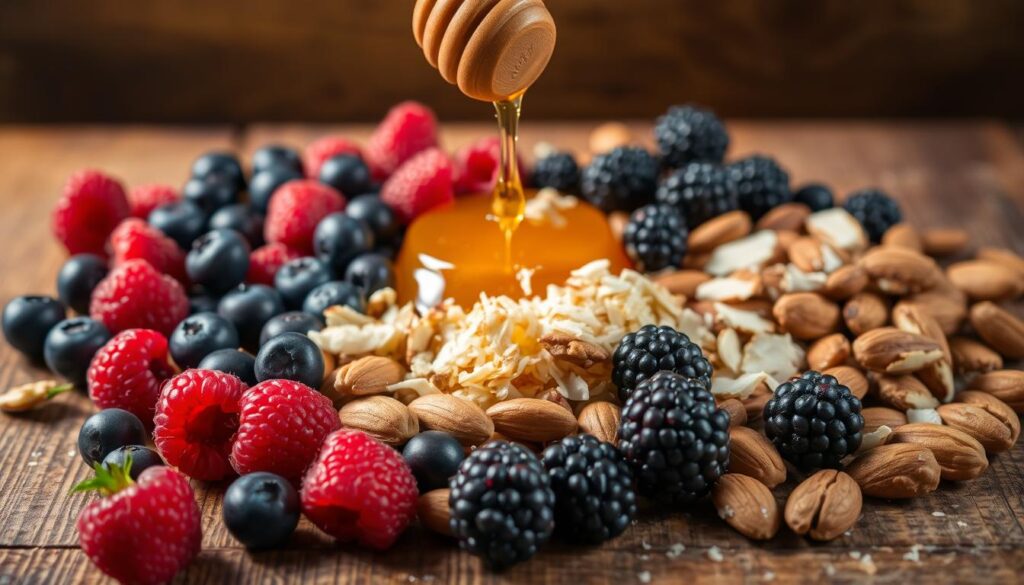
Discover how to boost the nutritional value of your one-ingredient pastry with simple toppings. Adding the right toppings can not only enhance the flavor but also significantly increase the nutritional benefits of your breakfast cakes.
Nut Butters and Yogurt
Nut butters such as peanut butter, almond butter, and cashew butter are rich in healthy fats and protein, making them an excellent topping for breakfast cakes. Pairing these with yogurt adds an extra layer of creaminess and a boost of calcium.
| Nut Butter | Protein Content | Healthy Fats |
|---|---|---|
| Peanut Butter | 8g per 2 tbsp | 16g per 2 tbsp |
| Almond Butter | 6g per 2 tbsp | 18g per 2 tbsp |
| Cashew Butter | 5g per 2 tbsp | 17g per 2 tbsp |
Fruits and Berries
Fruits and berries are not only delicious but also packed with fiber, vitamins, and antioxidants. They can add natural sweetness and texture to your breakfast cakes, making them a great alternative to refined sugars.
| Fruit/Berry | Fiber Content | Antioxidant Level |
|---|---|---|
| Blueberries | 4g per cup | High |
| Strawberries | 3g per cup | High |
| Bananas | 3g per medium | Medium |
By incorporating these topping ideas into your breakfast routine, you can enjoy a more balanced and nutritious meal that supports your overall health and well-being.
Meal Prep Tips for Busy Mornings
Starting your day with a nutritious breakfast doesn’t have to be complicated, thanks to the simplicity of single-ingredient breakfast cakes. Busy mornings require quick solutions, and preparing breakfast in advance can be a significant game-changer.
Preparing in Advance for Convenience
One of the most significant advantages of single-ingredient breakfast cakes is their ease of preparation. You can mix, bake, and store them in advance, making your mornings much simpler. To prepare in advance, follow these steps:
- Mix your single-ingredient batter the night before and store it in the refrigerator.
- Bake the cakes in the morning or the night before and store them in an airtight container.
- Consider baking a batch on the weekend and storing them for up to 3 days.
According to a survey by the American Heart Association, “planning and preparing meals in advance is associated with healthier dietary patterns.” This approach not only saves time but also ensures that you have a healthy breakfast ready to go.
Storing Your Breakfast Cakes
Proper storage is crucial to maintaining the freshness of your breakfast cakes. Here are some tips:
| Storage Method | Duration | Tips |
|---|---|---|
| Room Temperature | Up to 2 days | Store in an airtight container. |
| Refrigerator | Up to 5 days | Keep in a covered container to maintain freshness. |
| Freezer | Up to 2 months | Wrap individually and store in a freezer-safe bag. |
As Julia Child once said, “The only time to eat diet food is while you’re waiting for the steak to cook.” While we’re not advocating for steak for breakfast, the idea is that meal prep, like cooking a steak, can be a straightforward process that yields delicious results.
By incorporating single-ingredient breakfast cakes into your meal prep routine, you can enjoy a convenient, healthy breakfast that fits your busy lifestyle. Whether you’re looking for a quick breakfast on-the-go or a simple meal to start your day, these cakes are an excellent choice.
Combining Ingredients for Enhanced Enjoyment
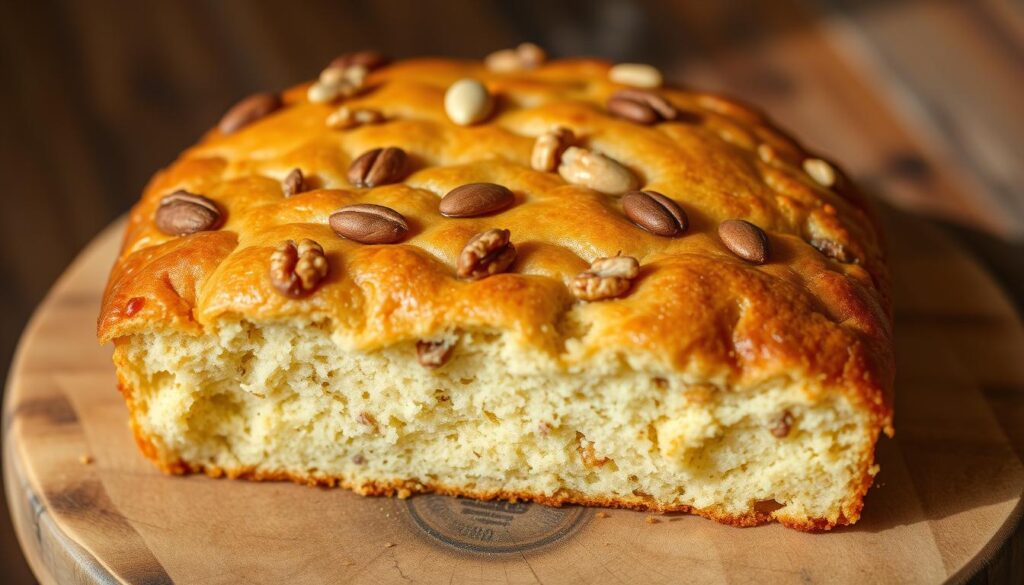
While single-ingredient breakfast cakes are delicious on their own, adding other ingredients can enhance their flavor and nutritional value. This approach not only diversifies your breakfast but also caters to different tastes and dietary needs.
Pairing with Dairy or Non-Dairy Products
One of the simplest ways to enhance your single-ingredient breakfast cake is by pairing it with dairy or non-dairy products. For instance, a banana-based cake can be complemented with a dollop of almond yogurt or a sprinkle of shredded coconut. Similarly, a sweet potato cake can be enjoyed with a side of Greek yogurt or a splash of milk.
- Dairy Options: Greek yogurt, milk, or cheese can add protein and creaminess.
- Non-Dairy Alternatives: Almond milk, soy yogurt, or coconut milk can be great for those with dietary restrictions.
Experimenting with different combinations can help you find your favorite way to enjoy your breakfast cakes.
Incorporating Seeds and Nuts
Incorporating seeds and nuts into your single-ingredient breakfast cake batter can significantly boost its nutritional profile. Nuts like walnuts or almonds provide healthy fats and crunch, while seeds such as chia or flax add omega-3 fatty acids and fiber.
- Nuts: Walnuts, almonds, or pecans can be added for crunch and healthy fats.
- Seeds: Chia seeds, flaxseeds, or hemp seeds can enhance the nutritional value with added fiber and omega-3s.
By incorporating these ingredients, you not only enhance the taste but also make your breakfast more satisfying and nutritious.
Troubleshooting Common Baking Issues
Baking one-ingredient pastry can sometimes be tricky, but with the right tips, you can achieve perfect results. Despite the simplicity of using just one key ingredient, several factors can affect the outcome of your breakfast cakes.
Understanding these factors is crucial to troubleshooting common issues. Two of the most frequent problems encountered are cakes that turn out too dense and cakes that don’t rise as expected.
Cakes That Are Too Dense
Dense cakes can result from a variety of factors, including overmixing the batter, using an ingredient that is too cold, or not using the right proportions. To avoid dense cakes, ensure that you mix the ingredient just until it reaches the desired consistency. Additionally, using ingredients at room temperature can help achieve a lighter texture.
Cakes That Don’t Rise
Cakes that don’t rise can be disappointing, especially if you’re expecting a light and fluffy breakfast treat. The primary reason for this issue is often the lack of leavening agents, which are commonly omitted in one-ingredient recipes. However, you can still achieve a lighter texture by incorporating air during the mixing process or by adjusting your cooking method.
By understanding and addressing these common issues, you can improve the quality of your one-ingredient breakfast cakes and enjoy a more satisfying baking experience.
Exploring Regional Variations
Single-ingredient breakfast cakes are a canvas for regional ingredients and culinary traditions. This simplicity allows for a diverse range of flavors and textures, reflecting the unique characteristics of different areas.
The United States, with its melting pot of cultures and geographical diversity, offers a fascinating landscape for exploring regional variations of single-ingredient breakfast cakes. From the cornmeal cakes of the South to the oat-based cakes of the Northeast, each region brings its own twist to this minimal cooking concept.
Popular Single-Ingredient Cakes Across the U.S.
Different regions in the U.S. have their favorite ingredients for single-ingredient breakfast cakes, often driven by local agricultural produce. For instance, banana cakes are a staple in tropical regions where bananas are abundant, while apple cakes are more common in areas with significant apple production.
| Region | Preferred Ingredient | Characteristics |
|---|---|---|
| South | Cornmeal | Crunchy texture, slightly sweet |
| Northeast | Oats | Hearty, comforting, often with a denser texture |
| Tropical Regions | Banana | Moist, sweet, and flavorful |
As noted by food historian, Michael Ruhlman, “The beauty of cooking lies in its ability to transform simple ingredients into something profound and satisfying.” This is particularly evident in how different regions adapt single-ingredient breakfast cakes to their local tastes.
“The art of cooking is not just about following a recipe, but understanding the nuances of your ingredients and the environment they come from.” –
Influence of Culture on Breakfast Choices
Cultural influences play a significant role in shaping breakfast preferences, including the choice of ingredients for single-ingredient breakfast cakes. For example, in cultures where breakfast is a time for heartier meals, ingredients like sweet potatoes or butternut squash might be used, adding a savory twist to the traditional sweet breakfast cake.
- In many Asian cultures, ingredients like rice flour or mung bean are commonly used, reflecting traditional dietary staples.
- In the Mediterranean, olive oil and fig might be incorporated, adding a distinct flavor profile.
As we explore these regional and cultural variations, it becomes clear that the concept of single-ingredient breakfast cakes is not just about simplicity, but also about celebrating local flavors and traditions.
Final Thoughts on Simplifying Your Breakfast Routine
Simplifying your breakfast routine with a single-ingredient breakfast cake can be a game-changer for busy mornings. By focusing on one key ingredient, you can create a nutritious and delicious meal that sets you up for success.
Simplifying Meal Prep
Embracing minimalism in meal preparation is all about stripping away unnecessary complexity. With single-ingredient breakfast cakes, you can enjoy a hassle-free breakfast that still packs a nutritional punch. This approach encourages you to get creative with simple ingredients, making healthy eating a breeze.
Healthy Habits Made Easy
Using simple ingredients like oats, bananas, or sweet potatoes, you can create a single-ingredient breakfast cake that’s both healthy and satisfying. By incorporating these cakes into your daily routine, you’ll be more likely to stick to your healthy eating goals. So why not give it a try and start simplifying your breakfast routine today?
FAQ
What are some common one-ingredient pastry options for easy prep sweets?
Some popular one-ingredient pastry options include using bananas, applesauce, or sweet potatoes as the primary ingredient. These ingredients can be transformed into delicious and healthy breakfast cakes with minimal cooking and easy prep.
Can I make single-ingredient breakfast cakes with minimal cooking?
Yes, single-ingredient breakfast cakes can be made with minimal cooking. Methods such as microwave preparation or stovetop cooking allow for quick and easy preparation.
How do I store my single-ingredient breakfast cakes to maintain freshness?
To keep your breakfast cakes fresh, store them in an airtight container in the refrigerator for up to three days or freeze them for later use. This makes meal prep a breeze, even on busy mornings.
Are single-ingredient breakfast cakes nutritious?
Yes, single-ingredient breakfast cakes can be a nutritious option. Ingredients like oats, bananas, and sweet potatoes provide essential vitamins, minerals, and fiber, making for a healthy start to the day.
Can I add toppings to my single-ingredient breakfast cakes for extra nutrition?
Absolutely! Adding toppings like nut butters, yogurt, fruits, and berries can enhance the nutritional value and flavor of your breakfast cakes. This is a great way to incorporate more nutrients and variety into your meal prep.
How can I make my single-ingredient breakfast cakes less dense?
To avoid dense cakes, try adjusting your mixing technique or adding a leavening agent. You can also experiment with different cooking methods, such as baking or microwave preparation, to achieve a lighter texture.