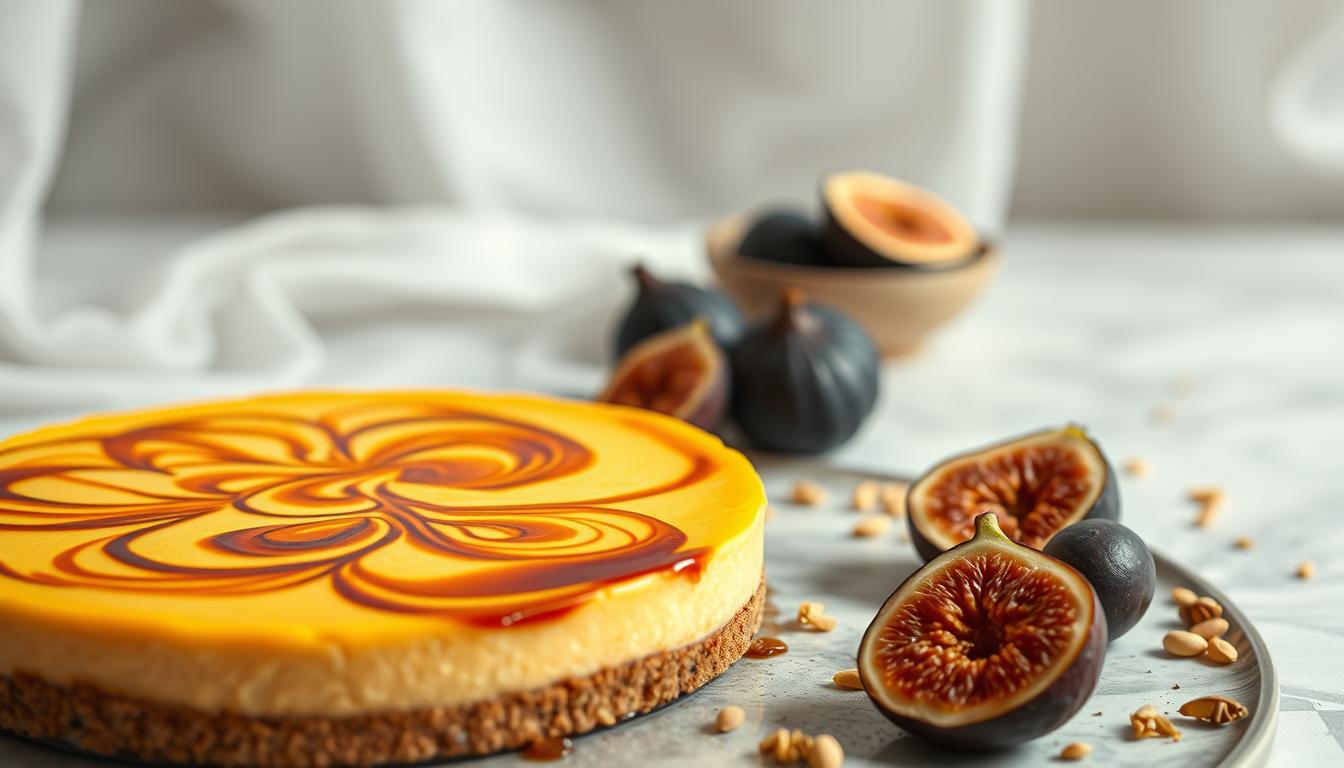
Welcome to the world of culinary fusion, where the rich traditions of Persian and Vietnamese cuisines come together in a truly exotic experience. Imagine a dessert fusion that combines the luxurious, velvety texture of a cheesecake with the distinctive aroma of Vietnamese licorice and the subtle, golden essence of Iranian saffron.
This innovative dessert is a true masterpiece, blending the best of two culinary worlds. The Iranian saffron adds a deep, earthy flavor, while the Vietnamese licorice provides a unique and intriguing aroma.
Key Takeaways
- Experience the fusion of Persian and Vietnamese cuisines in a unique dessert.
- Discover how Iranian saffron and Vietnamese licorice come together in a cheesecake.
- Learn about the history and ingredients behind this innovative dessert.
- Explore the preparation methods that make this dessert a true culinary masterpiece.
- Indulge in the rich flavors and aromas of this exotic dessert fusion.
The Fusion of Persian and Vietnamese Culinary Traditions
The blend of Persian and Vietnamese culinary traditions gives birth to innovative desserts like the Iranian saffron cheesecake infused with Vietnamese licorice aroma. This unique fusion brings together the rich, intricate flavors of Persian cuisine and the aromatic, herbal notes of Vietnamese cuisine, creating a truly one-of-a-kind dessert experience.
The art of culinary fusion is not new, but combining the distinct elements of Persian and Vietnamese cooking is a relatively unexplored territory. Persian cuisine, known for its use of saffron, cardamom, and rosewater, has a long history of sophisticated culinary practices. Vietnamese cuisine, on the other hand, is renowned for its fresh ingredients, aromatic herbs, and complex flavor profiles.
The Rich History of Iranian Saffron
Iranian saffron, known as “red gold,” has been a prized ingredient for centuries. Its history dates back to the ancient Persian Empire, where it was used not only as a spice but also as a dye and in traditional medicine. The process of harvesting saffron is labor-intensive, involving the careful extraction of stigmas from crocus flowers. This saffron history is deeply intertwined with Persian culture, symbolizing wealth and hospitality.
Vietnamese Licorice: An Aromatic Treasure
Vietnamese licorice, or licorice root, is valued for its unique flavor profile and aromatic properties. Unlike its Western counterpart, Vietnamese licorice has a sweeter, more subtle taste, making it an ideal ingredient for desserts. The licorice aroma adds depth and complexity to the Iranian saffron cheesecake, balancing the saffron’s earthy notes.
| Ingredient | Origin | Flavor Profile |
|---|---|---|
| Iranian Saffron | Persia | Earthy, luxurious |
| Vietnamese Licorice | Vietnam | Sweet, aromatic |
The combination of these ingredients showcases the beauty of culinary fusion, where two distinct culinary traditions come together to create something entirely new and exciting.
Understanding the Star Ingredients
The foundation of our Iranian saffron cheesecake lies in its star ingredients: saffron and Vietnamese licorice. These two components bring unique qualities to the dessert, making it a truly exotic treat.
Saffron: The World’s Most Precious Spice
Saffron, known for its vibrant color and distinct flavor, is considered the world’s most precious spice. It is derived from the dried stigmas of the saffron crocus flower.
Harvesting and Processing Saffron
The process of harvesting and processing saffron is labor-intensive. It requires careful hand-picking of the flowers and meticulous extraction of the stigmas.
Flavor Profile and Culinary Uses
Saffron’s flavor profile is complex, with notes of honey and a subtle earthy undertone. It is used in various culinary applications, from savory dishes to sweet desserts like our cheesecake.
Vietnamese Licorice: Flavor Profile and Characteristics
Vietnamese licorice root adds a distinct flavor profile to our cheesecake, characterized by its sweet and slightly spicy notes. This ingredient is native to Vietnam and is prized for its aromatic properties.
Complementary Ingredients for the Perfect Cheesecake
To balance the flavors of saffron and Vietnamese licorice, we use complementary ingredients. These include high-quality cream cheese, sugar, and eggs, which together create a rich and creamy texture.
| Ingredient | Role in Cheesecake |
|---|---|
| Saffron | Provides distinct flavor and color |
| Vietnamese Licorice | Adds sweet and spicy notes |
| Cream Cheese | Creates rich and creamy texture |
The Perfect Saffron Cheesecake Base
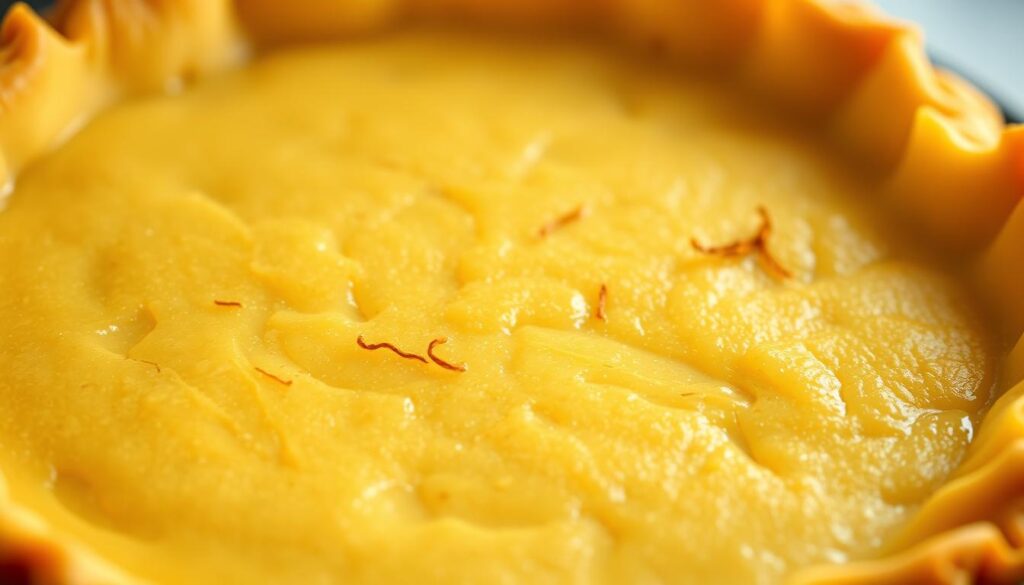
The foundation of a great Iranian saffron cheesecake lies in its base, where the right cheese blend and crust come together. A harmonious balance between these elements is crucial for creating a dessert that is both flavorful and texturally appealing.
Selecting the Right Cheese Blend
Choosing the appropriate cheese blend is vital for achieving the desired smoothness and creaminess in your cheesecake. A mix of soft cheeses such as cream cheese and mascarpone can provide a rich and velvety texture. The key is to select cheeses that complement the subtle earthy flavor of saffron without overpowering it.
Creating a Complementary Crust
The crust serves as the foundation of the cheesecake, providing a textural contrast to the creamy filling. There are various options to consider when creating a crust that complements the saffron cheesecake.
Traditional vs. Modern Crust Options
Traditional crusts are often made from graham cracker crumbs or pastry dough, providing a familiar flavor and texture. Modern variations might include using nut-based crusts or cookie crumbs for added depth and complexity.
Infusing the Crust with Complementary Flavors
To enhance the overall flavor profile, consider infusing the crust with ingredients that complement saffron, such as cardamom or rose petal. This adds an extra layer of complexity to the cheesecake.
| Crust Type | Flavor Profile | Texture |
|---|---|---|
| Graham Cracker | Sweet, slightly malty | Crunchy |
| Nut-Based | Nutty, earthy | Crunchy |
| Cookie Crumb | Sweet, varied | Crunchy |
Infusing Vietnamese Licorice into Your Dessert
To create a truly unique saffron cheesecake, understanding how to infuse Vietnamese licorice is crucial. This process involves carefully extracting the flavors from the licorice root and balancing it with other ingredients to achieve a harmonious taste experience.
Extraction Methods for Maximum Flavor
The method of extraction is vital in releasing the full potential of Vietnamese licorice. Common techniques include infusion, where the licorice root is steeped in a liquid, and decoction, which involves boiling the root to extract its flavors. The choice of extraction method can significantly impact the intensity and character of the licorice flavor in your cheesecake.
Balancing Licorice with Other Flavors
Balancing the distinct flavor of Vietnamese licorice with other ingredients is key to creating a well-rounded dessert. The table below illustrates how different ingredients can complement or contrast with licorice, helping you achieve the perfect balance.
| Ingredient | Effect on Licorice Flavor |
|---|---|
| Saffron | Complements licorice with its subtle earthy sweetness |
| Cream Cheese | Balances the boldness of licorice with creamy texture |
| Vanilla | Adds a sweet, floral note that enhances licorice |
By understanding how to extract and balance Vietnamese licorice, you can create a saffron cheesecake that is both complex and delightful.
Step-by-Step Saffron Cheesecake Recipe
To make a truly unique dessert, follow our step-by-step guide to crafting an Iranian saffron cheesecake with a hint of Vietnamese licorice. This fusion dessert combines the richness of Persian saffron with the aromatic flavor of Vietnamese licorice, creating a truly unforgettable culinary experience.
Preparing the Ingredients
Before you begin mixing and baking, it’s crucial to prepare your ingredients correctly. This includes measuring and preparing saffron and making Vietnamese licorice extract.
Measuring and Preparing Saffron
To get the most out of your saffron, it’s essential to measure and prepare it correctly. Use high-quality saffron threads and soak them in a tablespoon of hot water to release their vibrant color and flavor.
Preparing Vietnamese Licorice Extract
Vietnamese licorice root has a unique aroma that complements saffron beautifully. To prepare the extract, steep the licorice root in a solvent like water or alcohol, then strain and concentrate the liquid to intensify the flavor.
Mixing and Baking Process
With your ingredients ready, it’s time to mix and bake your cheesecake. This involves creating the perfect batter consistency and baking at the right temperature and timing.
Creating the Perfect Batter Consistency
Achieving the right batter consistency is crucial for a smooth, creamy cheesecake. Ensure that your cheese is at room temperature and mix it with the sugar, eggs, and other ingredients until just combined.
Baking Temperature and Timing
Bake your cheesecake in a preheated oven at 325°F (165°C) for about 45-50 minutes, or until the edges are set and the center is just slightly jiggly. Avoid overbaking to prevent cracking.
Cooling and Setting Techniques
After baking, allow your cheesecake to cool slowly in the oven with the door ajar. This helps prevent cracking. Once cooled, refrigerate it to set before serving.
By following these steps, you’ll be able to create a stunning saffron cheesecake that’s sure to impress. The combination of Iranian saffron and Vietnamese licorice will transport your taste buds on a culinary journey.
Decorative Techniques for an Authentic Presentation
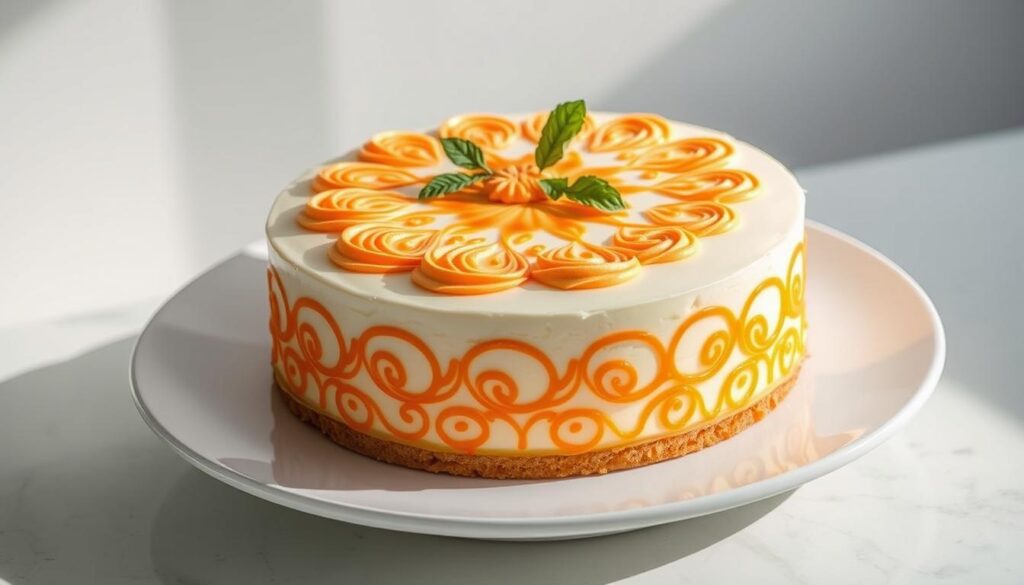
Elevate your dessert game with decorative techniques that blend Iranian and Vietnamese traditions. The presentation of your saffron cheesecake is just as important as its taste, and with the right garnishing methods, you can create a visually stunning dessert that impresses your guests.
The art of decorating your cheesecake involves combining traditional Iranian garnishing methods with Vietnamese-inspired finishing touches. By incorporating these elements, you can create a unique and authentic presentation that showcases the fusion of these two culinary traditions.
Traditional Iranian Garnishing Methods
Traditional Iranian garnishing often involves the use of edible flowers and herbs, such as rose petals and saffron threads, to add a touch of elegance to the dessert. You can also use intricate designs made from pistachio and almond to create a beautiful and delicate pattern on top of the cheesecake.
Vietnamese-Inspired Finishing Touches
Vietnamese-inspired finishing touches can include the use of fresh fruit, such as lychee or mango, to add a pop of color and freshness to the dessert. You can also incorporate Vietnamese coffee or other local ingredients to create a unique flavor profile and presentation.
The Sensory Experience of Iranian-Vietnamese Fusion
The fusion of Iranian and Vietnamese flavors creates a truly unique sensory experience. This dessert combines the luxurious, golden hue of Iranian saffron with the deep, aromatic flavor of Vietnamese licorice, resulting in a treat that is both visually stunning and tantalizing to the taste buds.
Aroma Profile and Tasting Notes
The aroma profile of this dessert is complex, with the sweet, floral notes of saffron mingling with the rich, earthy undertones of licorice. Upon tasting, the initial creaminess of the cheesecake gives way to the subtle warmth of saffron, followed by the deep, slightly sweet flavor of licorice.
| Flavor Component | Aroma Profile | Tasting Notes |
|---|---|---|
| Saffron | Sweet, floral | Subtle warmth, luxurious |
| Vietnamese Licorice | Rich, earthy | Deep, slightly sweet |
| Cheesecake Base | Creamy | Rich, velvety |
Textural Elements and Mouthfeel
The texture of this dessert is as captivating as its flavor. The creamy cheesecake provides a smooth mouthfeel, while the crust adds a satisfying crunch. The combination of these textural elements enhances the overall sensory experience, making each bite a delight.
Serving Suggestions and Pairings
Serving your saffron cheesecake with the perfect accompaniments can transform any gathering into a sophisticated affair. The key to a memorable dessert experience lies in the thoughtful combination of flavors and presentation.
Complementary Beverages
To complement the complex flavors of the saffron cheesecake, consider serving it with:
- Herbal tea, such as rose or chamomile, to enhance the floral notes.
- Coffee, particularly espresso, to contrast the sweetness with a rich, bold flavor.
- Dessert wine, like Moscato or Tawny Port, to add a luxurious and sweet pairing.
Ideal Occasions for Serving This Unique Dessert
This Iranian-Vietnamese fusion cheesecake is perfect for:
- Special celebrations, such as anniversaries or birthdays, where its unique flavors can be a conversation starter.
- Dinner parties, as it offers a sophisticated finish to a multi-course meal.
- Cultural events, where the blend of Iranian and Vietnamese flavors can be appreciated in a thematic context.
Variations of the Classic Saffron Cheesecake
Whether you’re looking to make the saffron cheesecake more suitable for a specific diet or simply want to try something new, there are numerous variations to explore. The classic recipe can be adapted to suit different seasons and dietary needs, ensuring that everyone can enjoy this unique dessert.
Seasonal Adaptations
Adapting the saffron cheesecake to different seasons can be achieved by incorporating seasonal fruits or adjusting the spice blend. For example, a summer version could include fresh berries and a hint of lemon zest, while a winter variant might feature caramelized apples and cinnamon. These seasonal twists not only refresh the flavor profile but also make the dessert more relevant to the time of year.
Dietary Modifications
For those with dietary restrictions, the saffron cheesecake can be easily modified. Vegan options can be achieved by substituting dairy products with plant-based alternatives such as almond milk or coconut cream, and using vegan cream cheese. For a gluten-free version, replace traditional wheat crust with a gluten-free flour blend or almond meal crust. These modifications allow everyone to enjoy the rich flavors of saffron cheesecake, regardless of dietary limitations.
By exploring these variations, you can keep the saffron cheesecake fresh and exciting, whether you’re catering to different tastes or accommodating dietary needs.
Health Benefits and Nutritional Information
The Iranian saffron cheesecake with Vietnamese licorice aroma is not only a unique dessert but also offers several health benefits. This fusion dessert combines ingredients known for their medicinal properties, making it a treat that’s both delicious and nutritious.
Medicinal Properties of Saffron and Licorice
Saffron, known as the world’s most precious spice, contains crocin, a carotenoid that has been shown to have antioxidant properties. Licorice root, on the other hand, is known for its anti-inflammatory properties and can help soothe digestive issues. Together, they create a dessert that not only tastes luxurious but also provides health benefits.
Caloric Content and Nutritional Breakdown
A slice of this saffron cheesecake contains approximately 350 calories, with 25g of fat, 25g of carbohydrates, and 5g of protein. The table below provides a detailed nutritional breakdown.
| Nutrient | Amount per serving | % Daily Value |
|---|---|---|
| Calories | 350 | 18% |
| Fat | 25g | 38% |
| Carbohydrates | 25g | 8% |
| Protein | 5g | 10% |
This nutritional profile indicates that while the cheesecake is rich in calories and fat, it also provides a moderate amount of protein. Enjoying it in moderation is key to balancing its indulgence with a healthy diet.
Sourcing Authentic Ingredients in the United States
The quest for authentic Iranian saffron and Vietnamese licorice is a critical step in crafting a dessert that blends the best of both culinary traditions. Sourcing high-quality ingredients can be challenging, but with the right guidance, it’s entirely possible to create an exceptional saffron cheesecake in the United States.
Finding High-Quality Iranian Saffron
Iranian saffron is renowned for its superior quality, and finding a reliable supplier is crucial. Look for saffron that is labeled as “coupe” or “pushali,” which indicates higher quality. Some reputable online retailers specialize in importing high-quality spices, including Iranian saffron.
Where to Purchase Vietnamese Licorice
Vietnamese licorice, known for its distinct flavor profile, can be sourced from specialty stores or online retailers that import Asian ingredients. Ensure that the licorice is of high quality and suitable for consumption.
| Ingredient | Recommended Source | Quality Indicator |
|---|---|---|
| Iranian Saffron | Reputable online spice retailers | Coupe or Pushali labeling |
| Vietnamese Licorice | Specialty Asian ingredient stores | High-quality, suitable for consumption |
By sourcing these ingredients from trusted suppliers, you can ensure that your cheesecake is not only delicious but also authentic in its flavors.
Conclusion
The Iranian Saffron Cheesecake infused with Vietnamese Licorice aroma is a true masterpiece of dessert fusion, blending the opulence of Persian saffron with the distinct flavor profile of Vietnamese licorice. This unique culinary experience is sure to captivate anyone looking to explore new flavors.
By following this guide, you’ve gained insight into the rich history and characteristics of saffron and Vietnamese licorice, as well as the techniques for crafting the perfect saffron cheesecake. The combination of these ingredients results in a truly unforgettable dessert that is both a feast for the palate and a delight for the senses.
As you experiment with this innovative dessert, you’ll discover the joy of fusion cuisine and the endless possibilities it offers. Whether you’re a seasoned chef or an adventurous home cook, the Iranian Saffron Cheesecake with Vietnamese Licorice is sure to become a new favorite, offering a culinary experience that is both exotic and accessible.
FAQ
What is Iranian saffron cheesecake?
Iranian saffron cheesecake is a unique dessert that combines the rich traditions of Persian and Vietnamese cuisines, featuring saffron and Vietnamese licorice as main ingredients.
What is the flavor profile of Vietnamese licorice?
Vietnamese licorice has a distinct flavor profile that is aromatic and slightly sweet, adding a unique dimension to the saffron cheesecake.
How do I source high-quality Iranian saffron in the United States?
You can find high-quality Iranian saffron at specialty spice stores or online retailers that import directly from Iran, ensuring authenticity and quality.
Can I make a vegan version of the saffron cheesecake?
Yes, you can make a vegan version by substituting the cheese with a vegan alternative and adjusting the recipe accordingly to accommodate dietary needs.
What are some complementary beverages to serve with saffron cheesecake?
Complementary beverages include tea, such as Earl Grey or green tea, and coffee, which pair well with the unique flavors of the saffron cheesecake.
How do I infuse Vietnamese licorice into my dessert?
You can infuse Vietnamese licorice by using extraction methods such as steeping or simmering to release its flavor and aroma, then incorporating it into your cheesecake recipe.
What are the health benefits of saffron and licorice?
Saffron and licorice have medicinal properties, including antioxidant and anti-inflammatory effects, which can provide health benefits when consumed in moderation.
Can I adapt the saffron cheesecake recipe for different seasons?
Yes, you can adapt the recipe by incorporating seasonal ingredients or adjusting the flavor profile to suit different times of the year, making it versatile for various occasions.
How do I achieve the perfect batter consistency for the cheesecake?
To achieve the perfect batter consistency, ensure that you mix the ingredients thoroughly and adjust the ratio of wet to dry ingredients as needed to achieve a smooth and creamy texture.
What are some traditional Iranian garnishing methods for the cheesecake?
Traditional Iranian garnishing methods include using edible flowers, such as rose petals, or intricate designs made from pistachios or almonds to add a touch of authenticity to your presentation.