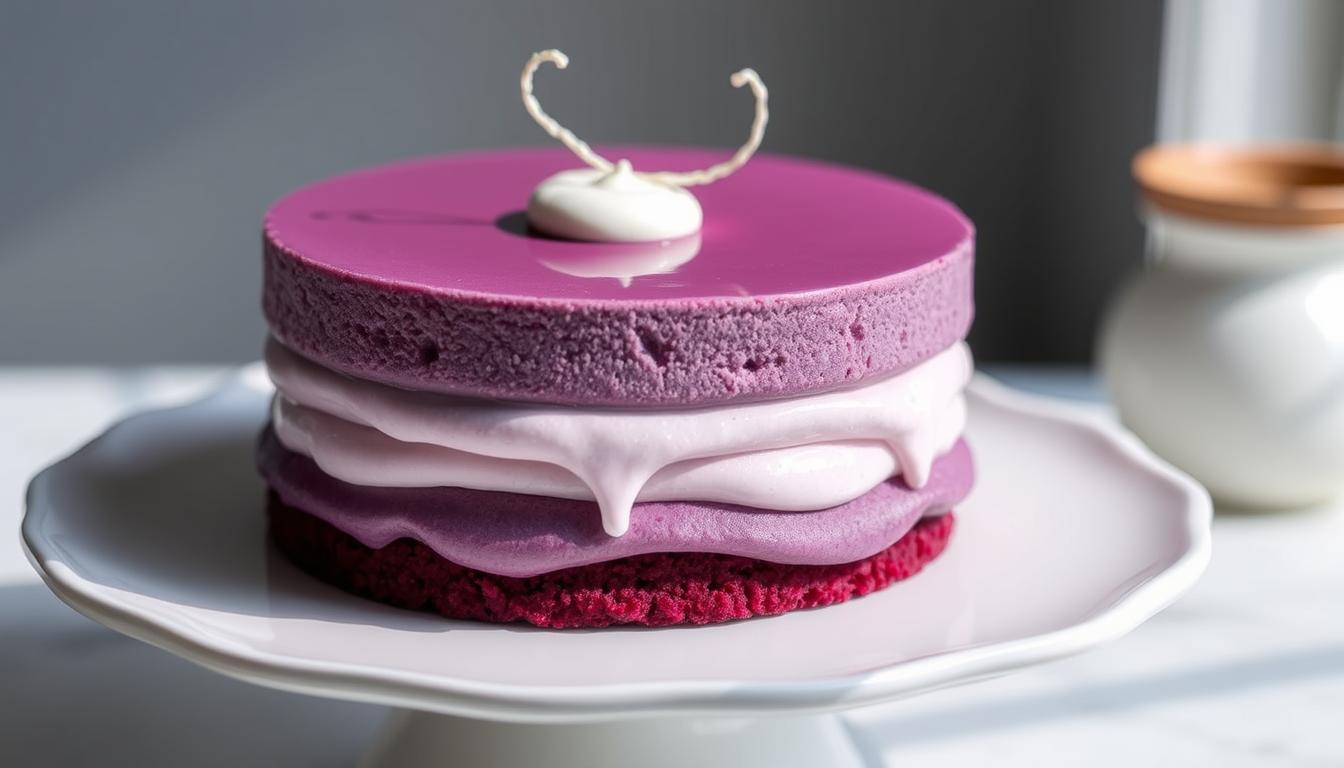
Indulge in the enchanting world of desserts with the Purple beetroot mousse cake, a culinary masterpiece that combines the earthy sweetness of beets with the luxurious creaminess of Madagascar vanilla cream.
This purple dessert is not only a treat for the taste buds but also a feast for the eyes, with its vibrant color and elegant presentation.
The infusion of Madagascar vanilla cream adds a mysterious and creamy dimension to the beetroot mousse cake, making it a truly unique dessert experience.
Key Takeaways
- Unique flavor combination of beetroot and Madagascar vanilla
- Elegant presentation with vibrant purple color
- Creamy and luxurious dessert experience
- Ideal for special occasions or dinner parties
- A must-try for adventurous foodies and dessert lovers
The Allure of Purple Desserts
The allure of purple desserts lies in their unique blend of visual appeal and natural ingredients. These desserts have captured the attention of food enthusiasts and chefs alike, thanks to their striking color and the innovative use of natural ingredients.
The Visual Impact of Color in Culinary Creations
Color plays a crucial role in the culinary world, influencing how we perceive and experience food. Purple desserts, in particular, offer a visually stunning experience. The use of natural food coloring, such as beetroot, not only adds to the aesthetic appeal but also aligns with the growing demand for healthier and more sustainable food options.
How Beetroot Creates Natural Purple Hues
Beetroot is a versatile ingredient that has been used to create a range of purple hues in desserts. Its natural pigment, betalain, is responsible for the vibrant color. Unlike synthetic dyes, beetroot provides a safe and healthy alternative for coloring desserts.
| Benefits of Beetroot | Characteristics |
|---|---|
| Natural coloring | Provides vibrant purple hue |
| Rich in nutrients | Contains vitamins and minerals |
| Sustainable | Environmentally friendly ingredient |
By incorporating beetroot into desserts, chefs can create visually appealing and healthy treats that cater to the growing demand for natural and sustainable food options.
The Unexpected Marriage of Beetroot and Vanilla
Incorporating beetroot into vanilla-based desserts opens up new avenues for creative culinary expressions. This unique combination is not just visually appealing but also offers a fascinating blend of flavors.
Breaking Culinary Boundaries with Vegetable Desserts
Using beetroot in desserts like mousse cakes is an innovative way to incorporate vegetables into sweet dishes, challenging traditional culinary norms. Beetroot desserts, in particular, are gaining traction for their natural sweetness and vibrant color. This trend is part of a broader movement towards vegetable desserts that are both healthy and delicious.
The Complementary Flavor Profiles
The earthy sweetness of beetroot complements the creamy richness of Madagascar vanilla, creating a balanced flavor profile. The key to this combination lies in the complementary flavors that enhance each other. Beetroot adds a moist texture and a subtle earthy flavor that contrasts beautifully with the smooth, aromatic vanilla cream.
| Flavor Component | Beetroot Contribution | Vanilla Contribution |
|---|---|---|
| Taste | Earthy sweetness | Creamy richness |
| Texture | Moist and dense | Smooth and airy |
| Aroma | Subtle earthy notes | Aromatic and sweet |
The synergy between beetroot and vanilla not only elevates the dessert’s flavor but also its nutritional profile. As we explore more about this unique pairing, it’s clear that the beetroot dessert trend is here to stay, offering a delicious and healthier alternative to traditional sweets.
The Magic of Madagascar Vanilla
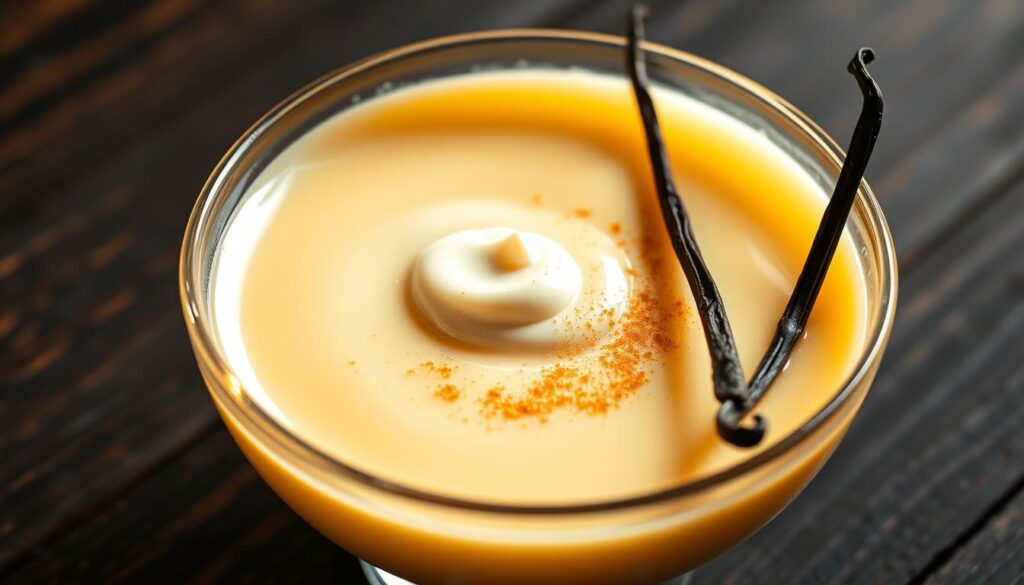
With its mysterious charm, Madagascar vanilla has become a favorite among chefs and dessert lovers alike. This premium vanilla variety is not just a flavor enhancer; it’s an experience that transforms desserts into culinary masterpieces.
What Makes Madagascar Vanilla “Mysterious”
The mystique surrounding Madagascar vanilla stems from its unique terroir and the careful processing methods employed by local farmers. The island’s rich soil and favorable climate contribute to the vanilla beans’ distinct flavor profile, making it a sought-after ingredient in high-end desserts.
Flavor Profile and Aromatic Properties
Madagascar vanilla is celebrated for its rich, creamy flavor and velvety texture. The aromatic properties of this vanilla variety are equally impressive, filling the air with sweet, floral notes that tantalize the senses. When used in desserts like the purple beetroot mousse cake, Madagascar vanilla cream adds depth and complexity, elevating the overall taste experience.
Sourcing Quality Madagascar Vanilla
Sourcing high-quality Madagascar vanilla is crucial for achieving the desired flavor and aroma in desserts. Look for vanilla beans or extracts that are labeled as “Madagascar Bourbon” or “Grade A,” as these signify superior quality. When selecting vanilla products, consider the reputation of the supplier and look for certifications that ensure authenticity and quality.
Nutritional Benefits of Beetroot in Desserts
Beetroot desserts are revolutionizing the way we think about sweet treats, offering a healthier alternative without sacrificing flavor. The incorporation of beetroot into desserts not only enhances their nutritional profile but also adds a natural flair.
Essential Vitamins and Minerals
Beetroot is rich in essential vitamins and minerals, including potassium, vitamin C, and folate. These nutrients contribute to overall health, supporting heart health and providing antioxidant benefits.
Natural Food Coloring Without Additives
One of the significant advantages of using beetroot in desserts is its ability to act as a natural food coloring. This eliminates the need for artificial colorings, making the desserts more appealing to health-conscious consumers.
Reduced Sugar Potential
Beetroot’s natural sweetness can also help reduce the need for added sugars in dessert recipes. This makes beetroot desserts an attractive option for those looking to minimize their sugar intake without compromising on taste.
In summary, beetroot desserts offer a trifecta of benefits: they are nutrient-rich, naturally colorful, and potentially lower in sugar. As consumers become more health-aware, the appeal of beetroot desserts is likely to grow.
Essential Ingredients for Beetroot Mousse Cake
Assembling the right ingredients is the first step towards crafting an exquisite beetroot mousse cake. The quality and combination of these ingredients will determine the final taste, texture, and appearance of your dessert.
The Beetroot Component
The star of the show is, of course, the beetroot. You’ll need cooked and peeled beetroot to create a vibrant purée. Cooking the beetroot enhances its natural sweetness, which is essential for balancing the flavors in the mousse. To achieve the desired consistency, you can use a blender or food processor to puree the beetroot.
The Vanilla Cream Element
The Madagascar vanilla cream adds a luxurious and creamy texture to the mousse cake. High-quality vanilla beans or premium vanilla extract are crucial for infusing the cream with a deep, rich flavor. Madagascar vanilla is renowned for its sweet and creamy notes, making it the perfect complement to the earthy sweetness of beetroot.
Base and Structure Ingredients
The base of the mousse cake typically consists of a light sponge cake or a crumbly biscuit base. Ingredients like all-purpose flour, sugar, eggs, and butter are essential for creating this foundation. Gelatin or agar agar are commonly used to provide structure and stability to the mousse.
Optional Flavor Enhancers
To add an extra layer of complexity to your beetroot mousse cake, consider incorporating optional flavor enhancers. Cocoa powder or melted chocolate can introduce a delightful contrast, while a hint of citrus zest can brighten the flavors. The key is to balance these additional flavors without overpowering the beetroot and vanilla.
Kitchen Equipment You’ll Need

The right kitchen equipment is crucial for making a beautiful and delicious beetroot mousse cake. To get started, you’ll need some essential tools that will help you prepare and assemble the cake.
Essential Tools
To begin, you’ll need a few basic kitchen tools. These include:
- A mixing bowl for whipping cream and beating eggs
- A blender or food processor for making beetroot purée
- A measuring jug for accurately measuring ingredients
- A spatula for folding ingredients together
Optional but Helpful Equipment
While not necessary, some additional equipment can make the process easier. These include:
- A stand mixer for heavy-duty mixing
- A cake mold or springform pan for shaping the cake
- A piping bag for decorating the cake
Alternatives for Specialized Tools
If you don’t have some of the more specialized tools, there are alternatives you can use. For example:
| Specialized Tool | Alternative |
|---|---|
| Stand Mixer | Hand Mixer or Whisk |
| Cake Mold | Regular Cake Pan |
| Piping Bag | Ziplock Bag with Corner Cut Off |
By having the right kitchen equipment, you’ll be well on your way to creating a stunning beetroot mousse cake infused with Madagascar vanilla cream.
Creating the Perfect Beetroot Mousse Cake
Crafting a beetroot mousse cake that’s both visually stunning and deliciously complex requires attention to detail in every layer. This dessert is not just about combining ingredients; it’s an art form that balances flavors, textures, and presentation.
Preparing the Cake Base
The foundation of a great beetroot mousse cake is its base. To prepare it, you’ll need to mix together all-purpose flour, sugar, and eggs to create a smooth batter. The key is to achieve a light, airy texture that complements the dense beetroot mousse.
- Preheat your oven to 350°F (175°C).
- Grease and flour your cake pan to prevent sticking.
- Bake until a toothpick inserted comes out clean, then let it cool completely.
Making the Beetroot Purée
The beetroot purée is what gives the cake its signature color and flavor. To make it, cook the beetroot until tender, then blend it into a smooth purée. Strain the purée to remove any fibers, ensuring a silky texture in the finished mousse.
Whipping the Madagascar Vanilla Cream
The Madagascar vanilla cream adds a luxurious touch to the beetroot mousse. Whip heavy cream with Madagascar vanilla extract until it forms stiff peaks. This component should be light and airy, providing a nice contrast to the denser beetroot layer.
“The quality of the vanilla can make or break the dessert. Madagascar vanilla is renowned for its rich, creamy flavor.”
Assembly and Setting Techniques
Assembling the cake requires patience and finesse. Start by spreading a layer of beetroot purée on the cake base, followed by a layer of whipped vanilla cream. Repeat this process until you achieve the desired height, finishing with a layer of cream on top. Refrigerate the cake to set the layers firmly.
- Use a piping bag to create decorative borders and patterns.
- Chill the cake for at least 4 hours or overnight.
- Slice carefully to maintain the layers’ integrity.
By following these steps and paying close attention to detail, you’ll be able to create a beetroot mousse cake that’s not only delicious but also a feast for the eyes.
Troubleshooting Common Challenges
Despite careful planning, common problems can occur when making a beetroot mousse cake. Issues such as texture problems, color inconsistencies, and flavor imbalances can arise, but there are solutions to these challenges.
Addressing Texture Issues
Texture issues can often be traced back to the preparation of the beetroot purée or the whipping of the Madagascar vanilla cream. Ensuring that the beetroot is cooked thoroughly and that the cream is whipped to the correct consistency can help resolve these issues.
Fixing Color Problems
To maintain the vibrant purple color of the beetroot mousse cake, it’s essential to use fresh beetroot and avoid overcooking it, as this can cause the color to fade.
Balancing Flavors
Balancing the earthy sweetness of beetroot with the creamy richness of vanilla can be challenging. Adjusting the amount of sugar or vanilla extract can help achieve a harmonious flavor profile.
Setting and Stability Solutions
To ensure the mousse cake sets properly, it’s crucial to use the right ratio of gelatin to liquid and to chill it for an adequate amount of time. Stability can be enhanced by using high-quality ingredients and following the assembly instructions carefully.
Creative Variations of Beetroot Mousse Cake
From chocolate fusions to vegan adaptations, the beetroot mousse cake can be reimagined in countless ways. This versatility makes it a favorite among creative bakers and adventurous foodies alike.
Chocolate-Beetroot Fusion
Combining the earthy sweetness of beetroot with the richness of chocolate creates a decadent dessert experience. To achieve this fusion, simply add high-quality cocoa powder or melted dark chocolate to the beetroot purée.
Citrus-Enhanced Versions
Adding a citrus twist can brighten the flavors of the beetroot mousse cake. Incorporate lemon or orange zest into the cake base or whip citrus-infused cream for the topping.
Vegan and Dairy-Free Adaptations
For a vegan version, replace traditional dairy with plant-based alternatives like almond milk or coconut cream. Use vegan-friendly chocolate and ensure that the sugar used is vegan-friendly.
Gluten-Free Options
Making the beetroot mousse cake gluten-free is straightforward. Replace traditional flour with a gluten-free blend in the cake base. Be sure to check that other ingredients, like vanilla extract, are also gluten-free.
| Variation | Key Ingredient | Benefit |
|---|---|---|
| Chocolate-Beetroot Fusion | Cocoa Powder or Dark Chocolate | Rich, decadent flavor |
| Citrus-Enhanced | Lemon or Orange Zest | Bright, citrusy flavor |
| Vegan Adaptation | Almond Milk or Coconut Cream | Dairy-free, vegan-friendly |
| Gluten-Free | Gluten-Free Flour Blend | Suitable for gluten intolerance |
These creative variations not only cater to different dietary needs but also offer exciting flavor profiles that can elevate the humble beetroot mousse cake into a gourmet dessert.
Elegant Presentation Ideas
Transforming your beetroot mousse cake into a visual masterpiece is easier than you think. The key to an impressive presentation lies in the details, from how you plate the dessert to the garnishes you choose and how you capture it for social media.
Plating Techniques
The way you plate your beetroot mousse cake can significantly impact its visual appeal. Consider using a contrasting plate color to make the purple hue of the cake stand out. You can also create a pattern with the Madagascar vanilla cream around the cake for added elegance.
| Plating Technique | Description | Effect |
|---|---|---|
| Contrasting Plate | Use a plate color that contrasts with purple | Makes the cake stand out |
| Cream Pattern | Create a design with vanilla cream | Adds elegance and sophistication |
Garnish Suggestions
Garnishes can add a pop of color and texture to your beetroot mousse cake. Consider using edible flowers, fresh berries, or a sprinkle of powdered sugar to enhance the visual appeal.
Photography Tips for Social Media
When sharing your beetroot mousse cake on social media, the photography matters. Use natural light to highlight the colors and textures of the cake. Experiment with different angles and backgrounds to find the most visually appealing shot.
Pairing Your Beetroot Mousse Cake with Beverages
When it comes to enjoying a slice of beetroot mousse cake, the right beverage can elevate the experience. The key is to find a drink that complements the cake’s unique flavor profile without overpowering it.
Complementary Hot Drinks
For a cozy experience, consider pairing your beetroot mousse cake with a warm cup of coffee or tea. Coffee can enhance the earthy notes of the beetroot, while earl grey tea can add a citrusy contrast.
Wine and Spirits Pairings
For those who prefer an adult beverage, a sweet wine like Moscato or a rich liqueur can complement the dessert’s sweetness. Alternatively, a fruit-infused vodka can cleanse the palate between bites.
Seasonal Beverage Suggestions
Seasonal drinks can also be a great match. For instance, during the summer, a refreshing lemonade or iced tea can be a perfect pairing. In winter, a warm spiced cider can complement the cake’s flavors.
| Beverage | Season | Complementary Flavor |
|---|---|---|
| Coffee | Any | Earthy notes |
| Moscato | Any | Sweetness |
| Lemonade | Summer | Citrusy freshness |
| Spiced Cider | Winter | Warm spices |
Conclusion: Embracing Culinary Adventure
Creating the Purple Beetroot Mousse Cake infused with Mysterious Madagascar Vanilla Cream is more than just following a recipe; it’s about embarking on a culinary adventure. This dessert represents a fusion of flavors and techniques that challenge traditional culinary boundaries.
By incorporating beetroot into a mousse cake, you’re not only adding a natural pop of color but also exploring the versatility of vegetables in desserts. Pairing this with the rich, creamy flavor of Madagascar vanilla cream elevates the experience, making it a truly unique treat.
As you continue on your culinary journey, remember that experimentation is key. Don’t be afraid to try new ingredients and techniques. The beetroot mousse cake is just the beginning. Let it inspire you to explore more culinary adventures, pushing the boundaries of flavor and creativity in your kitchen.
FAQ
What is the main ingredient that gives the mousse cake its purple color?
The main ingredient responsible for the purple color is beetroot, which is used to create a natural and vibrant hue.
How does Madagascar vanilla cream enhance the flavor of the beetroot mousse cake?
Madagascar vanilla cream adds a rich, creamy, and sweet contrast to the earthy flavor of the beetroot, creating a unique and harmonious taste experience.
Are there any nutritional benefits to using beetroot in desserts?
Yes, beetroot is rich in essential vitamins and minerals, and it serves as a natural food coloring without additives, making it a nutritious and healthier alternative for desserts.
Can I make the beetroot mousse cake without specialized kitchen equipment?
While some specialized tools can make the process easier, they are not necessary. Alternatives can be used to achieve the desired results, making it accessible to home bakers.
How can I troubleshoot common issues like texture problems or color fading in the beetroot mousse cake?
Texture issues can be addressed by adjusting the ratio of ingredients or the whipping time. Color problems can be fixed by ensuring the beetroot is fresh and of high quality. Balancing flavors can be achieved by tasting and adjusting the sweetness or earthiness.
Can the beetroot mousse cake be adapted for dietary restrictions like vegan or gluten-free?
Yes, the recipe can be adapted to accommodate various dietary needs. For vegan versions, dairy can be replaced with plant-based alternatives. For gluten-free options, gluten-free flours can be used for the cake base.
What are some creative variations of the beetroot mousse cake that I can try?
Some creative variations include a chocolate-beetroot fusion, citrus-enhanced versions, or incorporating different flavors like nuts or spices to create unique taste experiences.
How should I store and serve the beetroot mousse cake to maintain its quality?
The cake should be stored in the refrigerator to maintain its texture and freshness. It should be served chilled, and garnished appropriately to enhance its visual appeal.
Can I pair the beetroot mousse cake with beverages, and if so, what are some suggestions?
Yes, the beetroot mousse cake can be paired with various beverages. Complementary hot drinks like coffee or tea, wine and spirits pairings, or seasonal beverages like hot chocolate or fruit spritzers can enhance the dessert experience.