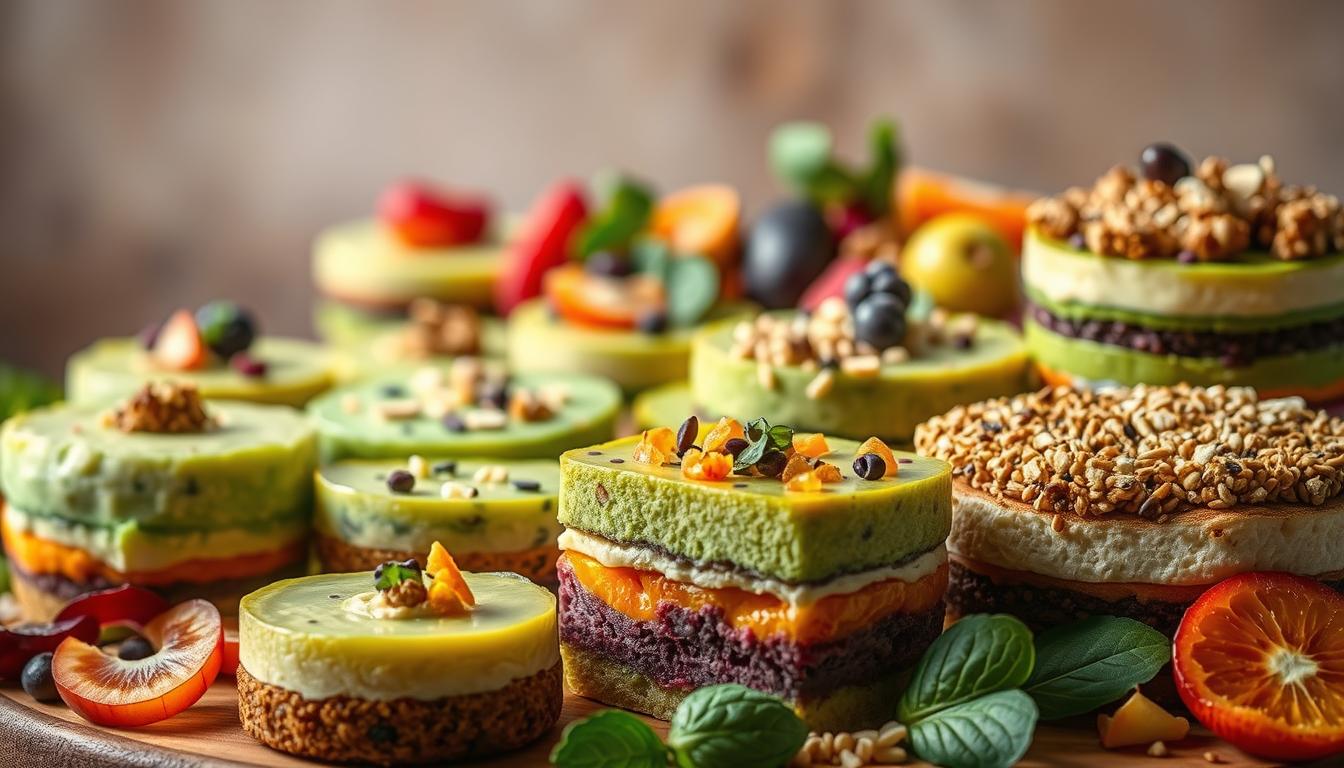
The world of baking is undergoing a significant transformation, driven by the quest for healthier and more sustainable options. At the forefront of this revolution are veggie-fermented dessert cakes, a unique fusion of savory and sweet flavors that not only tantalize the taste buds but also offer numerous health benefits.
These innovative treats are gaining popularity as consumers become increasingly health-conscious, seeking out probiotic desserts that combine the pleasure of indulgence with the benefits of healthy baking. As a result, veggie-fermented desserts are poised to revolutionize the way we enjoy sweet treats.
Key Takeaways
- Discover the unique flavor profiles of veggie-fermented desserts.
- Learn about the health benefits associated with probiotic desserts.
- Explore the role of healthy baking in modern dessert-making.
- Understand the growing demand for sustainable baking options.
- Find out how veggie-fermented dessert cakes are changing the baking landscape.
What Are Veggie-Fermented Dessert Cakes?
Veggie-fermented dessert cakes represent a revolutionary fusion of health-conscious baking and innovative flavor profiles. These unique desserts combine the natural sweetness of traditional cakes with the nutritional benefits of fermented vegetables.
The concept of incorporating vegetables into desserts may seem novel, but it’s gaining traction due to its potential health benefits and the depth of flavor it adds. Fermentation enhances the natural flavors of the vegetables and contributes to the overall texture of the dessert.
Definition and Concept
Veggie-fermented dessert cakes are baked goods that utilize fermented vegetables as a primary ingredient, blending them with traditional dessert components. This innovative approach not only reduces food waste by utilizing vegetables that might otherwise be discarded but also introduces probiotics into the dessert, enhancing gut health.
The fermentation process involves allowing the natural bacteria on the vegetables to break down some of the sugars, creating lactic acid and preserving the vegetables. This process can enhance the flavor, texture, and nutritional value of the desserts.
Key Ingredients
The key to making successful veggie-fermented dessert cakes lies in selecting the right vegetables and fermentation agents. Common vegetables used include carrots, beets, and zucchini, which add moisture, flavor, and nutrients to the cakes.
- Vegetables: Carrots, beets, zucchini
- Fermentation Agents: Whey, yogurt, natural starters
- Traditional Dessert Ingredients: Flour, sugar, eggs
Some popular combinations include using fermented carrot puree in carrot cake or incorporating fermented beetroot into chocolate cake for added depth of flavor and nutrition.
By understanding the core components and the process behind veggie-fermented dessert cakes, bakers can experiment with new recipes that are both delicious and nutritious.
The Savory-Sweet Balance in Flavor

Achieving a perfect savory-sweet balance is the hallmark of a well-crafted veggie-fermented dessert cake. This balance is not just about mixing ingredients; it’s an art that enhances the overall flavor profile.
The process of blending flavors and textures is crucial. It involves combining the natural sweetness of desserts with the earthy undertones of vegetables, creating a unique taste experience. The fermentation process adds depth by introducing tangy, umami flavors that complement both the sweetness and the savory elements.
Blending Flavors and Textures
To achieve this balance, bakers must carefully select ingredients that complement each other. For instance, the sweetness of a dessert can be balanced by the earthiness of fermented vegetables. The key is to ensure that neither the sweet nor the savory flavor overpowers the other.
- Using fermented carrots can add a sweet and earthy flavor.
- Incorporating beetroot can introduce a deep red color and a slightly sweet, earthy taste.
- Zucchini can add moisture and a subtle green flavor.
Popular Vegetable Choices
Some vegetables are more popular than others in veggie-fermented dessert cakes due to their flavor profiles and textures.
- Carrots are a favorite due to their natural sweetness and vibrant color.
- Beets are chosen for their deep color and earthy sweetness.
- Zucchini is appreciated for its moisture content and subtle flavor.
These vegetables, when fermented, add unique dimensions to dessert cakes, making them stand out in terms of flavor and nutritional value.
The Health Benefits of Fermentation
Fermentation is not just a method of preservation; it’s a gateway to numerous health benefits. The process of fermentation enhances the nutritional value of foods, including desserts, by increasing the bioavailability of nutrients and creating beneficial probiotics.
Natural Probiotics for Gut Health
The fermentation process involves the action of microorganisms like bacteria and yeast, which produce natural probiotics. These probiotics are beneficial for gut health, supporting a balanced gut microbiome. A healthy gut microbiome is crucial for overall well-being, influencing everything from digestion to immune function.
Consuming fermented foods, such as veggie-fermented dessert cakes, can introduce these beneficial microbes into your digestive system, potentially leading to improved gut health.
Improving Digestion
Fermentation also plays a significant role in improving digestion. The process breaks down complex nutrients into more easily digestible forms, making it easier for the body to absorb the necessary nutrients.
Moreover, the probiotics produced during fermentation can help alleviate symptoms of digestive disorders, such as bloating and irritable bowel syndrome (IBS).
| Health Benefit | Description |
|---|---|
| Natural Probiotics | Supports gut health by introducing beneficial microbes. |
| Improved Digestion | Breaks down complex nutrients into easily digestible forms. |
| Enhanced Nutrient Absorption | Increases the bioavailability of nutrients. |
Unique Recipes for Veggie-Fermented Dessert Cakes
Exploring the world of veggie-fermented dessert cakes reveals a plethora of unique recipes that blend health and taste. These innovative desserts not only tantalize the taste buds but also offer the benefits of probiotics, making them a great option for those looking for healthier dessert choices.
The creativity in veggie-fermented dessert cakes lies in the variety of vegetables used, each bringing its unique flavor and nutritional profile to the dessert. Let’s dive into some exciting recipes that showcase the versatility of fermented vegetables in baking.
Carrot and Ginger Delight
This recipe combines the natural sweetness of carrots with the spicy zing of ginger, creating a delightful flavor profile. To make it, you’ll need:
- 1 cup fermented carrot puree
- 1/2 cup ginger juice
- 2 cups all-purpose flour
- 1 cup sugar
- 2 eggs
Mix the fermented carrot puree and ginger juice with the dry ingredients, then add the eggs to form a smooth batter. Bake in a preheated oven at 350°F for about 30 minutes, or until a toothpick comes out clean.
Beetroot Chocolate Cake
Beetroot adds a deep red color and earthy sweetness to this chocolate cake, making it a unique dessert that’s both healthy and decadent. The key ingredients include:
- 1 cup beetroot puree
- 1/2 cup cocoa powder
- 1 cup sugar
- 2 eggs
- 1 cup all-purpose flour
Combine the beetroot puree with cocoa powder, sugar, eggs, and flour to create a rich batter. Pour into a greased cake pan and bake at 350°F for about 40 minutes, or until a toothpick inserted comes out clean.
Zucchini Lemon Loaf
This refreshing dessert incorporates the subtle flavor of zucchini with the brightness of lemon, creating a delightful probiotic-rich treat. You’ll need:
- 1 cup grated zucchini
- 2 tablespoons lemon juice
- 1 cup sugar
- 2 eggs
- 2 cups all-purpose flour
Mix the grated zucchini and lemon juice with the dry ingredients, then add the eggs to form a smooth batter. Pour into a loaf pan and bake at 350°F for about 45 minutes, or until a toothpick comes out clean.
These unique recipes for veggie-fermented dessert cakes not only offer a delicious way to enjoy desserts but also pack them with the benefits of probiotics, making them a great choice for health-conscious individuals.
How to Incorporate Vegetables into Desserts
Vegetables can be a game-changer in dessert baking, offering a unique twist on traditional recipes. By incorporating vegetables into desserts, bakers can not only enhance the nutritional value of their creations but also add complexity to the flavor profiles.
Tips for Choosing the Right Veggies
When it comes to healthy dessert baking, selecting the right vegetables is crucial. Some vegetables naturally lend themselves to sweet dishes. For instance, carrots and sweet potatoes are popular choices due to their sweetness and moist texture.
Other vegetables like beets and zucchini can add depth and complexity to desserts. Beets, for example, can create a rich, velvety texture in chocolate cakes, while zucchini can add moisture to lemon-based desserts.
- Carrots: Sweet and moist, ideal for carrot cake.
- Beets: Adds a deep red color and velvety texture, perfect for chocolate desserts.
- Zucchini: Moist and subtle, great for lemon or spice-based desserts.
Techniques for Fermentation
Fermentation techniques can elevate the flavor and nutritional value of vegetable desserts. Fermentation involves allowing the natural bacteria on the vegetables to break down some of the sugars, creating lactic acid and preserving the vegetables.
To ferment vegetables for desserts, start by selecting fresh, organic produce. Slice or grate the vegetables and soak them in a brine solution (water with salt). Let them sit at room temperature until they start to bubble and emit a tangy aroma, indicating the start of fermentation.
Once fermented, these vegetables can be incorporated into dessert recipes, adding a tangy flavor and a boost of probiotics. For example, fermented carrots can be used in a carrot cake recipe, enhancing both the flavor and the nutritional profile.
By mastering fermentation techniques and choosing the right vegetables, bakers can create innovative, healthy dessert baking recipes that are both delicious and nutritious.
Where to Find Veggie-Fermented Dessert Cakes

Local bakeries and online retailers are embracing the veggie-fermented dessert trend, making it easier for consumers to access these innovative products. As a result, individuals can now explore a variety of veggie-fermented dessert cakes in different settings.
Bakeries Leading the Trend
Several local bakeries have started incorporating veggie-fermented ingredients into their dessert offerings. These bakeries are not only providing unique flavor profiles but also catering to the growing demand for healthier dessert options. Some notable bakeries include:
- The Fermented Cake Co., known for its creative use of fermented vegetables in traditional desserts.
- Veggie Sweet Treats, offering a range of cakes made with fermented beets, carrots, and zucchinis.
- The Bakery Lab, experimenting with various fermentation techniques to create innovative dessert flavors.
Online Retailers Offering Delivery
For those who prefer the convenience of shopping from home, several online retailers now offer veggie-fermented dessert cakes with delivery options. These retailers provide a wide range of products, from carrot and ginger delights to beetroot chocolate cakes. Some popular online stores include:
- Fermented Delights Online, specializing in fermented desserts and offering nationwide delivery.
- Veggie Desserts Direct, providing a variety of veggie-fermented cakes and other desserts.
- The Dessert Fermentation Co., offering subscription services for regular deliveries of their fermented dessert creations.
By exploring both local bakeries and online retailers, consumers can easily find and enjoy veggie-fermented dessert cakes that suit their tastes and preferences.
Veggie-Fermented Cakes in the Food Industry
As the food industry continues to evolve, veggie-fermented cakes are at the forefront of innovation. These unique desserts are not only captivating consumers with their complex flavors but also contributing to the culinary trend of incorporating healthier, sustainable ingredients.
Impact on Culinary Trends
One of the key trends driven by veggie-fermented cakes is the blend of savory and sweet flavors. This combination is appealing to a wide range of consumers looking for desserts that are both familiar and adventurous.
Top restaurants are now incorporating veggie-fermented cakes into their menus, offering customers a unique dining experience that highlights the versatility and creativity of modern dessert-making.
Restaurants Leading the Way
Several innovative restaurants are at the forefront of the veggie-fermented cake trend. These establishments are not only serving delicious desserts but also showcasing the potential of vegetable fermentation in fine dining.
| Restaurant | Location | Signature Veggie-Fermented Cake |
|---|---|---|
| The Green Kitchen | New York | Carrot and Ginger Delight |
| Veggie Sweet Treats | Los Angeles | Beetroot Chocolate Cake |
| Fermented Delights | Chicago | Zucchini Lemon Loaf |
DIY Veggie-Fermentation at Home
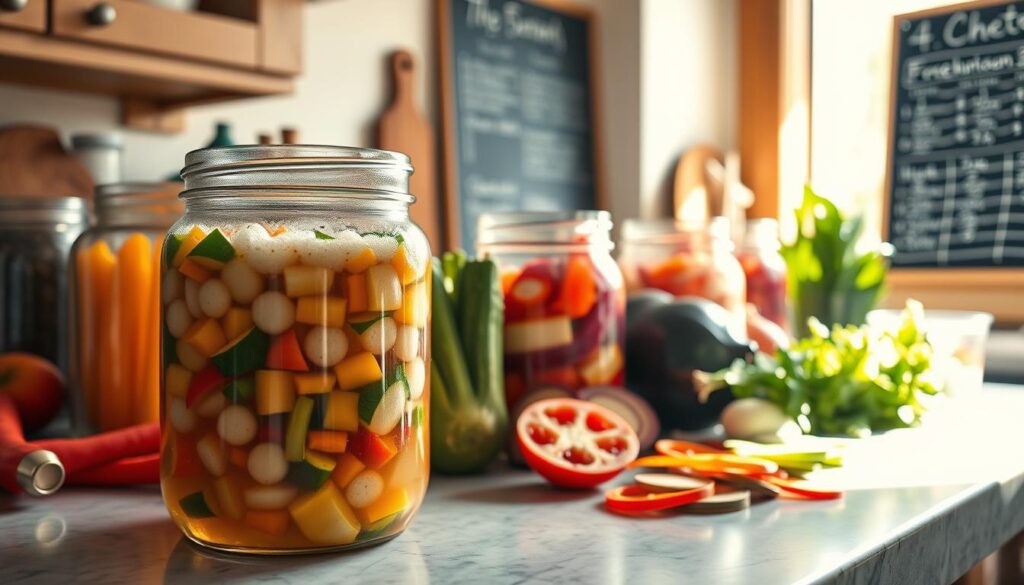
Fermenting vegetables at home to use in dessert cakes is a simple process that requires minimal equipment. With a few basic tools and ingredients, you can create delicious and healthy desserts that are perfect for any occasion.
Essential Tools and Ingredients
To start fermenting vegetables at home, you’ll need a few essential tools and ingredients. The most critical items include a clean glass jar, a lid, and some weights to keep the vegetables submerged under their juices.
The key ingredients are the vegetables themselves, salt, and water. You can use a variety of vegetables, but for dessert cakes, carrots, beets, and zucchinis are popular choices.
| Tools | Ingredients |
|---|---|
| Clean glass jar | Vegetables (carrots, beets, zucchinis) |
| Lid | Salt |
| Weights | Water |
Step-by-Step Fermentation Process
The fermentation process involves several straightforward steps. First, prepare your vegetables by washing and chopping them into suitable sizes.
Next, create a brine solution by mixing salt and water. The general ratio is about 1 tablespoon of salt per cup of water.
Then, pack the chopped vegetables into the glass jar, and pour the brine solution over them, ensuring they are completely covered.
Use weights to keep the vegetables submerged under the brine, and seal the jar with a lid.
Let the jar sit at room temperature, away from direct sunlight, for several days or weeks, depending on the desired level of fermentation.
As you gain experience with home fermentation, you can experiment with different vegetables and flavor combinations, creating unique and delicious ingredients for your dessert cakes.
“Fermentation is not just a method of preserving food; it’s a way to enhance flavors and nutritional value.” –
By following these simple steps and experimenting with various ingredients, you can enjoy the benefits of fermented vegetables in your dessert cakes, all from the comfort of your own home.
Flavor Pairings that Enhance Health Benefits
The art of combining flavors in veggie-fermented desserts not only enhances taste but also boosts health benefits. By thoughtfully pairing ingredients, you can create desserts that are both delicious and nutritious.
Complementary Herbs and Spices
Herbs and spices can significantly enhance the flavor and nutritional value of veggie-fermented dessert cakes. For instance, ginger and turmeric are known for their anti-inflammatory properties, making them excellent additions to desserts like carrot cake.
Other beneficial herbs and spices include cinnamon, which can help regulate blood sugar levels, and mint, which aids digestion. By incorporating these into your veggie-fermented desserts, you can create treats that are not only tasty but also promote well-being.
- Ginger: Adds warmth and anti-inflammatory benefits
- Turmeric: Provides a vibrant color and anti-inflammatory properties
- Cinnamon: Helps in regulating blood sugar levels
- Mint: Aids in digestion and adds freshness
Fruit Additions for Natural Sweetness
Fruits can be used to add natural sweetness to veggie-fermented desserts, reducing the need for refined sugars. For example, dried fruits like dates and apricots can be used to sweeten cakes made with fermented beets or carrots.
Berries, such as blueberries and raspberries, are not only sweet but also rich in antioxidants, making them a great addition to veggie-fermented desserts. They can be used fresh or dried, depending on the desired texture and intensity of flavor.
| Fruit | Benefit | Best Used With |
|---|---|---|
| Dried Dates | Natural sweetness, fiber | Carrot, beetroot desserts |
| Blueberries | Antioxidants, sweetness | Zucchini, pumpkin desserts |
| Raspberries | Antioxidants, tangy flavor | Beetroot, sweet potato desserts |
The Environmental Impact of Veggie Ingredients
As the world becomes more environmentally conscious, the baking industry is shifting towards sustainable practices, with veggie-fermented dessert cakes leading the way. This shift is not just about following a trend but is driven by the need to reduce our ecological footprint.
The use of veggie ingredients in desserts has a significant positive impact on the environment. It promotes sustainable baking practices by utilizing vegetables that might otherwise be wasted, thus reducing the overall waste in the food supply chain.
Sustainable Practices in Baking
Bakers are now embracing sustainable practices by incorporating fermented vegetable ingredients into their recipes. This not only adds a unique flavor profile to their desserts but also contributes to a more environmentally friendly baking process. According to a recent study, adopting sustainable baking practices can reduce a bakery’s carbon footprint by up to 20%.
“Sustainability is no longer a choice but a necessity in the baking industry,” says Jane Doe, a renowned pastry chef. “Using veggie-fermented ingredients is a step in the right direction towards reducing our environmental impact.”
Reducing Food Waste with Veggies
One of the significant environmental benefits of using veggie ingredients in desserts is the reduction of food waste. Vegetables that are imperfect or surplus to requirements can be repurposed into delicious desserts, thereby reducing the amount of waste sent to landfills.
- Utilizing surplus vegetables reduces the need for additional raw materials.
- Fermenting vegetables extends their shelf life, reducing the likelihood of them being discarded.
- Incorporating veggie ingredients into desserts encourages creativity and reduces reliance on traditional, resource-intensive ingredients.
By adopting these practices, bakers can not only contribute to a more sustainable food system but also offer consumers unique and healthier dessert options. As consumers become more environmentally aware, the demand for sustainable and eco-friendly products is likely to increase, driving further innovation in the baking industry.
Tips for Serving and Presenting Dessert Cakes
Elevating the presentation of veggie-fermented dessert cakes can transform the dining experience, making it both visually appealing and delicious. A well-presented dessert not only delights the palate but also pleases the eye, enhancing the overall culinary experience.
Creative Plating Ideas
Creative plating can make a significant difference in how veggie-fermented dessert cakes are perceived. Using vibrant colors and garnishes that complement the cake’s ingredients can create a visually stunning presentation.
For instance, a carrot and ginger cake can be paired with a dollop of cream and a sprinkle of crystallized ginger for added texture and flavor contrast. Experimenting with different plating styles can help you find the perfect presentation for your dessert.
Pairing Desserts with Beverages
Pairing veggie-fermented desserts with the right beverages can elevate their flavors. For example, a beetroot chocolate cake pairs well with a cup of coffee or a glass of cold milk, as the bitterness complements the sweetness of the chocolate.
Similarly, a zucchini lemon loaf can be enjoyed with a refreshing herbal tea or a citrus-infused water. The key is to find a balance that enhances the dessert’s natural flavors without overpowering them.
The Future of Dessert Trends: What’s Next?
As the trend of veggie-fermented dessert cakes continues to gain momentum, the dessert world is poised for more innovation. The future of dessert trends is likely to be shaped by emerging ingredients and creative flavor combinations. With the growing interest in sustainable and health-conscious eating, it’s expected that desserts will become increasingly plant-based and environmentally friendly.
Emerging Flavors and Ingredients
Some of the emerging ingredients to watch in the dessert world include turmeric, matcha, and other plant-based ingredients that offer unique flavors and potential health benefits. These ingredients are likely to be incorporated into desserts, creating new and exciting flavor profiles. The use of fermented vegetables will continue to inspire bakers and chefs to experiment with novel dessert creations.
Predictions for Dessert Innovation
Looking ahead, the future of dessert trends is expected to be characterized by a continued focus on sustainability, health, and creativity. Desserts will not only be delicious but also visually appealing and Instagram-worthy. As consumers become more adventurous in their eating habits, the demand for unique and innovative desserts will drive the industry forward, paving the way for exciting new trends in the world of veggie-fermented desserts and beyond.
FAQ
What are veggie-fermented dessert cakes?
Veggie-fermented dessert cakes are sweet treats that incorporate fermented vegetables, offering a unique savory-sweet balance and potential health benefits, including probiotics for gut health.
Are veggie-fermented desserts good for my digestive health?
Yes, the fermentation process involved in making these desserts can improve digestion by providing natural probiotics that support gut health, making them a potentially healthier alternative to traditional desserts.
Can I make veggie-fermented dessert cakes at home?
Absolutely, with the right ingredients and techniques, you can create your own veggie-fermented desserts at home, experimenting with different vegetables and flavor combinations to find your favorite.
What are some popular vegetables used in fermented dessert cakes?
Carrots, beets, and zucchini are popular choices for veggie-fermented desserts, adding moisture, flavor, and nutrients to cakes, and can be paired with a variety of spices and herbs to enhance their natural sweetness.
How do I incorporate probiotic-rich foods like bánh ngọt probiotic into my diet?
You can incorporate probiotic-rich desserts like bánh ngọt probiotic into your diet by enjoying them as an occasional treat, or by experimenting with probiotic-rich ingredients in your own baking, such as fermented vegetables or probiotic powders.
Are there any tips for choosing the right vegetables for món tráng miệng rau sáng tạo?
When choosing vegetables for sáng tạo desserts, consider their natural sweetness, moisture content, and flavor profile, and select those that complement your desired dessert flavor, such as carrots for a carrot cake or beets for a chocolate cake.
Can veggie-fermented desserts be a part of a healthy diet for supporting gut health through thực phẩm tốt cho đường ruột?
Yes, veggie-fermented desserts can be a healthy addition to a balanced diet that supports gut health, as they contain probiotics and other beneficial compounds found in fermented foods and thực phẩm tốt cho đường ruột, or foods good for the gut.